To Choose Serial Port Barcode Scanner or Network Port Barcode Scanner

Serial port barcode scanner:


Serial port barcode scanners are generally used in scenarios that require communication with computers or other devices through the serial port. It can transmit scanned barcode or QR code data to computers or other devices to achieve fast and accurate transmission of data.


Application scenarios:


Product traceability on the production line: On the production line, each product is labeled with a unique barcode or QR code. By using a serial port scanner, the information of each product can be read quickly and accurately to achieve traceability of the production line and management.


Warehouse management: In the warehouse, each goods is labeled with a unique barcode or QR code. By using a serial port barcode scanner, the goods can be managed quickly and accurately in and out of the warehouse.


Network port barcode scanner:


Network port barcode scanners are suitable for that require communication with computers or other devices through the network. It can transmit scanned barcode or QR code data to computers or other devices through the network to achieve remote transmission and sharing of data.


Application scenarios:


Logistics and delivery: In the field of logistics and distribution, since cargo information needs to be transmitted to a remote logistics management system, the use of network port code scanners can more conveniently realize remote transmission and sharing of data.


Retail stores: Some large retail stores may need to transmit sales data to the back-end computer system for statistics and analysis. Using a network port scanner can achieve data transmission and management more efficiently.


In summary, the choice of using a serial port barcode scanner or a network port barcode scanner needs to be decided based on the actual application scenarios and needs. If you need to perform serial communication with a computer or other device, or if you need to read a large amount of barcode or QR code data quickly and accurately, you can choose to use a serial port scanner. If you need to transmit data over the network or share data remotely, you can choose to use a network port scanner.


iMARCONE is professional barcode scanner manufacturer, we have full range of barcode scanner, including 2D handheld barcode scannerwireless barcode scannerdesktop barcode scanner, as well as industrial barcode scanner, DPM code scannerPDA and so on.

Top

What Does Cell on Wheels ( COW) Stand for in Telecom?

In the field of telecommunications, "COW" stands for "Cell on Wheels." A Cell on Wheels is a portable mobile cell site that can be quickly deployed to provide temporary wireless network coverage in areas where there is either no existing coverage or where additional capacity is needed temporarily. Here's a breakdown of the term and its significance: 

1. Cell: In the context of telecommunications, a "cell" refers to a geographic area covered by a wireless network. Each cell is served by a base station, which facilitates communication between mobile devices and the network infrastructure. 

2. on Wheels: "On Wheels" refers to the mobility of the Cell on Wheels unit. It is typically mounted on a trailer, truck, or other mobile platform, allowing it to be easily transported and deployed as needed.  

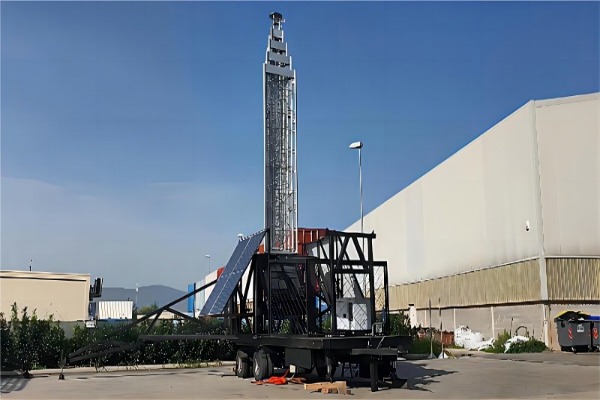
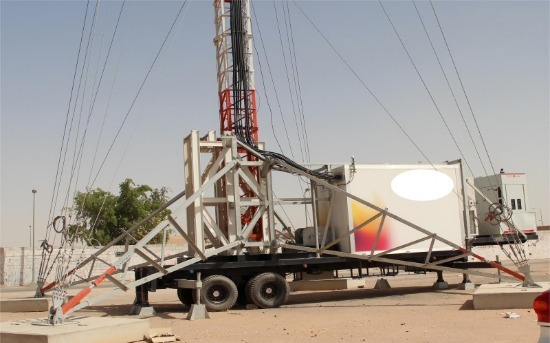
cell on wheels cow base station

The Cell on Wheels concept allows telecommunication providers to rapidly address coverage gaps or increased demand in specific areas. Here are some key features and applications of Cell on Wheels: 

1. Rapid Deployment: COWs are designed for quick setup and deployment, allowing telecommunication providers to respond rapidly to emergencies, special events, or network outages. They can be transported to a site, positioned, and operational within a short period. 

2. Temporary Coverage: COWs are typically used to provide temporary coverage in areas where permanent infrastructure is not yet in place or where additional capacity is needed temporarily. Examples include remote or rural areas, disaster-stricken regions, or crowded events like concerts or sports competitions. 

3. Flexibility: COWs can support various wireless technologies and network standards, such as 2G, 3G, 4G LTE, and even 5G, depending on the equipment installed. They can be customized to accommodate different frequency bands and network requirements. 

4. Equipment and Infrastructure: A typical COW setup includes a telescoping or extendable tower or mast to elevate the antennas, base station equipment, power supply units, and necessary backhaul connectivity. COWs can be equipped with multiple antennas to provide coverage in different directions or sectors. 

5. Temporary Backhaul Connectivity: COWs require a temporary backhaul connection to connect the mobile site to the core network. This can be achieved through methods like satellite links, microwave links, or temporary wired connections. 

30m cell on wheels cow

Cell on Wheels units serve as a flexible solution for extending wireless network coverage and capacity in temporary or underserved areas. They play a crucial role in maintaining communication services during emergencies, facilitating connectivity at events, and bridging coverage gaps as telecommunication infrastructure is being developed or repaired.


Learn more at www.alttower.com


Top

What is A Rooftop Tower?

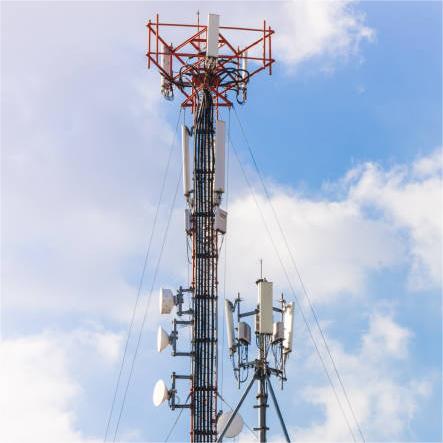
A rooftop tower, also known as a rooftop base station or rooftop site, refers to a telecommunication tower or antenna system that is installed on the rooftop of a building or structure. It is commonly used in urban areas where land availability is limited or when it is more practical to place the tower on an existing structure rather than constructing a standalone tower.  

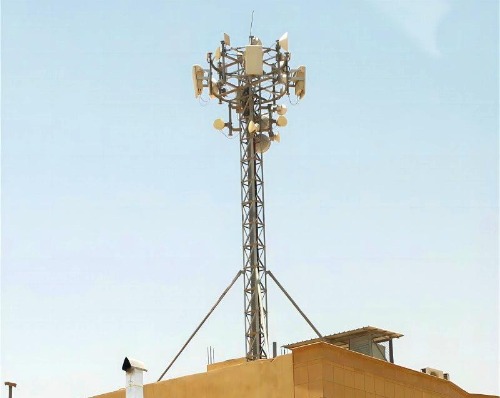
roof tower telecom

Here are some key features and characteristics of rooftop towers: 

1. Location: Rooftop towers are installed on the rooftops of buildings, including commercial buildings, residential complexes, industrial facilities, and other structures. They make use of the available space on the rooftop to house antennas, equipment cabinets, and other telecommunications infrastructure.  

2. Space Efficiency: Rooftop towers are designed to maximize the use of limited space. By utilizing existing rooftops, they eliminate the need for additional land or ground space that would be required for traditional tower installations. This space-efficient design is particularly advantageous in densely populated urban areas where land is scarce and expensive.  

3. Aesthetic Considerations: Rooftop towers are often designed to blend with the existing building or structure, taking aesthetics into account. They can be camouflaged or designed to be visually unobtrusive, minimizing the impact on the building's appearance and the surrounding environment.  

4. Infrastructure Integration: Rooftop towers are integrated with the infrastructure of the building they are installed on. They may utilize the building's power supply and communication networks, reducing the need for additional infrastructure installations. This integration simplifies the deployment process and reduces costs.  

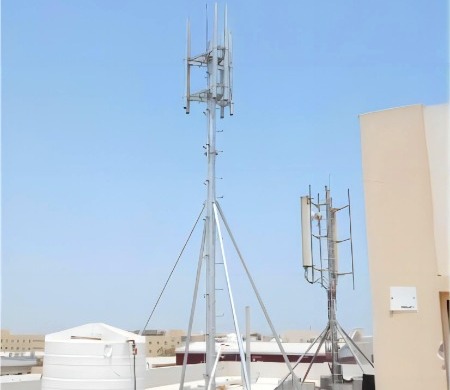
roof top telecom tower

5. Wireless Coverage: Rooftop towers are primarily used to enhance wireless coverage in urban areas. They house antennas and other equipment that transmit and receive wireless signals for various communication services, such as cellular networks, Wi-Fi, and radio broadcasting. By placing the antennas at an elevated position on the rooftop, they can provide better coverage and signal strength to the surrounding area. 

6. Regulatory Considerations: The installation of rooftop towers is subject to local regulations, building codes, and permits. Specific requirements may vary depending on the jurisdiction and the height and location of the tower. Compliance with safety standards and structural considerations are essential to ensure the stability and integrity of the building and the tower itself.  


Rooftop towers offer a practical solution for expanding wireless coverage and network capacity in urban areas, where traditional ground-based towers may not be feasible. They capitalize on existing structures and available space while minimizing the visual impact on the surrounding environment.


Learn more at www.alttower.com


Top

What Is A Self-Supporting Tower and It's Advantages?

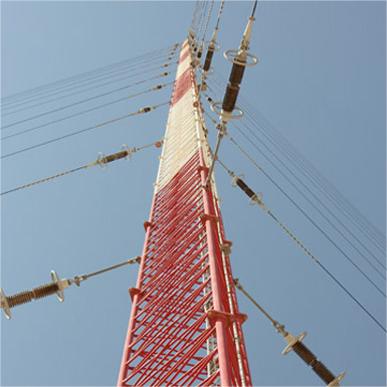
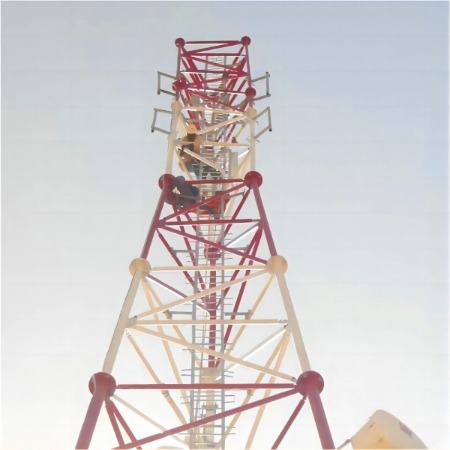
A self-supporting tower, also known as a free-standing tower or a lattice tower, is a type of structure used to support antennas, communication equipment, and other infrastructure for wireless communication networks. Unlike guyed towers that rely on guy wires for stability, self-supporting towers are designed to stand on their own without external support.

self support tower

Key Features of Self-Supporting Towers:

1. Lattice Structure: Self-supporting towers are constructed using a lattice framework composed of steel or other suitable materials. The lattice structure consists of interconnected triangular or square sections that provide strength, stability, and flexibility.

2. Sturdy Design: Self-supporting towers are engineered to withstand wind loads, seismic forces, and other environmental factors that may impact the structure. The lattice design offers inherent strength and allows for efficient distribution of loads throughout the tower.

3. Height and Versatility: Self-supporting towers can be built to various heights, ranging from tens to hundreds of meters, depending on the specific requirements of the communication network. Their versatility makes them suitable for a wide range of applications, both in urban and rural areas.

4. Multiple Platforms: Self-supporting towers often feature multiple platforms or levels at different heights, allowing for the installation of antennas, microwave dishes, and other communication equipment. The platforms provide convenient access for maintenance and equipment installation.

5. Site Adaptability: Self-supporting towers can be installed in various locations, including open fields, rooftops, and urban areas. They are adaptable to different terrains and can be designed to accommodate specific site conditions and constraints.

6. Easy Installation and Maintenance: Self-supporting towers are typically modular in design, allowing for easier transportation, assembly, and installation. The lattice structure also facilitates maintenance and repair work, as individual sections or components can be accessed and replaced if necessary.


Self-supporting towers are widely used in telecommunications for applications such as cellular networks, TV and radio broadcasting, and public safety communications. They provide reliable support for antennas, enabling the transmission and reception of wireless signals over long distances. The choice of a self-supporting tower is based on factors such as coverage requirements, site conditions, tower height, and regulatory considerations.

self support telecom tower

Self-supporting towers and guyed towers are two common types of structures used in the field of telecommunications to support antennas and communication equipment. While both types have their advantages and considerations, here are some key advantages of self-supporting towers over guyed towers: 


1. Stability and Structural Integrity: Self-supporting towers are designed to stand on their own without relying on guy wires for support. This inherent stability eliminates the need for extensive guy wire systems and reduces the complexity of installation. Self-supporting towers can withstand wind loads, seismic forces, and other environmental factors more effectively due to their sturdy lattice design. 

2. Space Efficiency: Self-supporting towers require less horizontal space compared to guyed towers. They have a smaller footprint as they do not need guy wire anchors or extensive guy wire systems that can occupy a significant area around the tower. This space efficiency is particularly advantageous in areas with limited land availability, such as urban environments. 

3. Aesthetic Considerations: Self-supporting towers often have a more visually appealing appearance compared to guyed towers. The lattice structure of self-supporting towers can be designed to blend into the surroundings or be less obtrusive, making them more suitable for areas with aesthetic restrictions or zoning regulations. 

4. Installation Flexibility: Self-supporting towers are generally easier and quicker to install compared to guyed towers. The modular design of self-supporting towers allows for efficient transportation and assembly. They can be installed in various locations, including rooftops, open fields, and urban areas, providing flexibility in deployment. 

5. Maintenance Accessibility: Self-supporting towers typically offer better accessibility for maintenance and equipment installation. The lattice structure allows technicians to easily access different levels or platforms of the tower for repairs, upgrades, or equipment replacement. This accessibility can reduce maintenance costs and downtime. 

6. Height Capability: Self-supporting towers can be constructed to great heights, allowing for the installation of antennas at elevated positions. This height capability is advantageous in scenarios where extensive coverage or long-distance communication is required, such as in rural areas or for long-range wireless links.  

self support lattice telecom tower

It's important to note that self-supporting towers also have some considerations. They tend to be more expensive to manufacture and construct compared to guyed towers, especially at greater heights. Additionally, self-supporting towers may have certain limitations in extremely high wind or ice load areas, where guyed towers might provide better options.


Ultimately, the choice between self-supporting towers and guyed towers depends on various factors, including site requirements, available space, regulatory considerations, budget, and specific engineering considerations.


Top

What is the difference between a cell tower and a WiFi tower?

Cell Tower:

A cell tower, also known as a cellular tower or cell site, is a structure used for wireless communication by cellular networks. It is primarily used for mobile phone services and provides coverage to a specific geographic area called a cell. Cell towers are typically owned and operated by telecommunication companies and are an integral part of the cellular network infrastructure. They support various generations of cellular technology, such as 2G, 3G, 4G LTE, and 5G.

telecom steel cell tower

Key Features of Cell Towers:

1. Mobile Connectivity: Cell towers enable mobile devices, such as smartphones and tablets, to connect to the cellular network and access voice, data, and messaging services. 

2. Cellular Technology: They support cellular technologies like GSM, CDMA, WCDMA, LTE, and others, depending on the network operator and the region. 

3. Large Coverage Area: Cell towers are designed to provide coverage over a relatively large area, ranging from a few kilometers to several tens of kilometers in radius, depending on factors like terrain, population density, and frequency band used. 

4. High Elevation: Cell towers are typically tall structures, often located on elevated sites or rooftops to maximize coverage and minimize interference. 

5. Licensed Spectrum: Cell towers utilize licensed spectrum allocated to telecommunication providers to ensure reliable and regulated communication services. 


WiFi Tower:

A WiFi tower, or more accurately, a WiFi access point, is a device that provides wireless connectivity within a limited area, typically within a building or a specific location. WiFi technology, also known as Wi-Fi (Wireless Fidelity), allows devices to connect to a local area network (LAN) or the internet wirelessly. WiFi towers are used in settings like homes, offices, cafes, airports, and other public spaces to enable wireless internet access for devices equipped with WiFi capabilities. 

telecom steel cell tower

Key Features of WiFi Towers: 

1. Local Area Connectivity: WiFi towers provide wireless connectivity within a localized area, such as a room, building, or specific location.  

2. WiFi Technology: They use WiFi technology based on the IEEE 802.11 standards, such as 802.11ac or 802.11ax (Wi-Fi 6), to facilitate wireless communication between devices and the local network or the internet. 

3. Shorter Range: WiFi signals have a shorter range compared to cellular signals, typically reaching up to a few hundred feet indoors and a few hundred meters outdoors, depending on factors like signal strength and obstructions. 

4. Unlicensed Spectrum: WiFi operates in unlicensed spectrum bands, such as the 2.4 GHz and 5 GHz frequency bands, which are available for use without the need for specific licenses. 

5. Localized Coverage: WiFi towers provide coverage within a specific area, often using multiple access points to ensure seamless coverage throughout a larger space. 


In summary, the main difference between a cell tower and a WiFi tower is their purpose and coverage area. Cell towers are part of the cellular network infrastructure and provide mobile connectivity over a larger geographic area, while WiFi towers, or access points, provide localized wireless connectivity within a limited area like a building or specific location.


Top

10 Tips To Choose The Right Warehouse Racking

Selecting the optimal warehouse racking system is pivotal to maximizing space utilization, enhancing operational efficiency, and safeguarding your inventory. A well-designed racking solution can dramatically improve productivity and cost-effectiveness. However, with a myriad of options available, making the right choice can be daunting. This article offers ten essential tips to guide you through the process of selecting the ideal warehouse racking system for your specific needs.


What is Warehouse Racking?

Warehouse racking refers to a storage system comprising upright frames and horizontal beams that support shelves or pallets. It provides a structured framework for organizing and accessing stored goods efficiently. Racking systems are indispensable in warehouses, distribution centers, and manufacturing facilities, contributing to streamlined operations and inventory control.


5 Key Factors Making Warehouse Picking Slow

Before delving into racking solutions, it's crucial to identify factors hindering efficient warehouse picking. Addressing these issues can significantly enhance overall performance, even before implementing new racking systems.

  1. Inadequate Storage Capacity: Insufficient storage space leads to disorganized inventory, prolonged search times, and increased picking errors.
  2. Poor Product Accessibility: Difficulty in reaching and retrieving items due to improper racking or storage layout results in time wastage and reduced productivity.
  3. Suboptimal Warehouse Layout: Inefficient warehouse flow and layout can create bottlenecks, impede movement, and slow down picking processes.
  4. Lack of Inventory Control: Inadequate inventory management systems hinder accurate stock tracking, leading to stockouts, overstocking, and inefficient picking.
  5. Substandard Material Handling Equipment: Outdated or malfunctioning equipment hampers picking efficiency and increases the risk of damage to products and personnel.


10 Tips for Choosing the Right Warehouse Racking

  1. Assess Your Inventory: Conduct a thorough analysis of your inventory, considering product dimensions, weight, quantity, and turnover rates. This information is essential for determining the appropriate racking type and capacity.
  2. Define Storage Requirements: Clearly outline your storage needs, including the types of products to be stored, access frequency, and order picking methods.
  3. Measure Warehouse Dimensions: Accurately measure the available warehouse space, including ceiling height, floor load capacity, and column spacing. These dimensions will dictate the racking system's configuration and size.
  4. Consider Budget Constraints: Establish a realistic budget for the racking system, including installation and potential future expansions.
  5. Prioritize Safety: Opt for racking systems that comply with safety standards and regulations. Consider features such as bracing, anchoring, and load indicators.
  6. Choose the Right Racking Type: Select a racking type that aligns with your inventory characteristics and operational requirements. Common types include selective pallet racking, drive-in/drive-thru racking, push-back racking, and cantilever racking.
  7. Optimize Space Utilization: Maximize warehouse space efficiency by carefully planning racking layout and considering factors such as aisle width, racking depth, and clearance.
  8. Invest in Quality: Prioritize durability and longevity by choosing high-quality racking materials and construction. A robust racking system withstands heavy loads and minimizes maintenance costs.
  9. Consider Scalability: Select a racking system that can accommodate future business growth and inventory expansion.
  10. Seek Expert Advice: Consult with experienced warehouse racking specialists to leverage their expertise and ensure the optimal solution for your specific needs.


Types of Warehouse Racking

  • Selective Pallet Racking: Offers direct access to each pallet, ideal for diverse product types and frequent order picking.
  • Drive-in/Drive-thru Racking: Maximizes storage density, suitable for high-volume, first-in-first-out (FIFO) or last-in-first-out (LIFO) inventory.
  • Push-back Racking: Increases storage capacity in limited space, well-suited for high-density storage and FIFO inventory management.
  • Cantilever Racking: Designed for long, bulky, or irregularly shaped items, commonly used in lumberyards and hardware stores.
  • Mezzanine Racking: Creates additional storage space by utilizing vertical space, ideal for increasing storage capacity in warehouses with limited floor area.


Conclusion

Selecting the appropriate warehouse racking system is a critical decision impacting operational efficiency, inventory management, and overall warehouse performance. By carefully considering factors such as inventory characteristics, storage requirements, space constraints, and budget, businesses can optimize their racking solutions and achieve significant improvements in productivity and cost-effectiveness.Contact Heda Racking for Free Quote.

Top

Sharing For Material Crane In Light And Small Clean Rooms

Since ordinary electric hoists produce a large amount of fine particles during operation, they cannot meet the cleanliness requirements of special workshops in high-precision electronics, food, aviation and other industries. Therefore, Dingya Crane has been actively conducting research and development of safe, clean, compact, reliable and efficient material handling solutions. After years of efforts and experiments, Dingya Crane has developed a series of products suitable for clean space environments. The crane can be used in various clean workshop environments such as biotechnology, medical equipment, pharmaceutical production, food production, and semiconductor manufacturing. Our cranes, with lifting capacities ranging from 50 kilograms to 50 tons, can be used in environments with a cleanliness level of 1000, including different structural forms such as wire rope hoists, chain hoists, and belt hoists. For different industries and cleanliness requirements, Dingya Crane can provide you with the best handling solutions with its R&D strength and rich industry experience. Based on the growing demand from customers around the world for safe and clean lifting equipment. Dingya Crane has specially developed overall solutions for clean rooms. Our vision is to become a pioneer and expert in the clean room hoisting industry, leading the application and transformation of new technologies in the field of clean hoisting.

Overhead Bridge Cranes

1. Safe and reliable High-quality.

High-quality components are the basis of excellent quality. Clean cranes have much higher requirements for component selection than other crane products, from hoisting motors to reducers, from reels to wire ropes, from safe and reliable electrical components to structural components that strive for excellence. , Dingya takes every component seriously, because only the components with good performance and quality can ensure the performance and quality of the entire machine.

2. Compact structure.

Based on its own design concept ,Dingya clean crane is lightweight, modular and compact in structure, providing customers with better material handling solutions. Based on the unique structural characteristics of the clean room, the trolley can lift loads of the same height from various directions. Provide the most ideal workspace for crane operators, allowing the crane to lift and transport goods to any corner of the clean workshop.

Overhead Bridge Cranes

3. Precise positioning .

Smooth and precise operation ensures that components avoid vibrations and fluctuations of themselves or the environment. Exquisite drive technology ensures comprehensive control of component lifting. Extremely low torque design and high-strength structure ensure the consistent excellent performance of our equipment.

4. Clean and environmentally friendly .


Dingya Crane meets the strict requirements of dust-free space. On the one hand, it selects parts that are less likely to produce particles. On the other hand, it conducts a closed design on the moving parts that may produce tiny particles to prevent particles from leaking out and contaminating other workpieces or products in the workshop. At the same time, components that require lubrication such as bearings and drums are sealed and maintenance-free, and leak-proof measures are adopted to ensure no oil dripping. In addition, the high-performance driving equipment brings a super-quiet operating experience, making the operating environment more comfortable, and embodies the people-oriented design concept.


Overhead Bridge Cranes


Top

Dingya Crane Provides High-Configuration Metallurgical Cranes

Metallurgical cranes refer to bridge-type cranes used in metallurgy, casting and other places for lifting molten metal. They are also called metallurgical cranes. Nowadays, many small cast iron, cast steel and other metal smelting companies are using ordinary single-girder cranes, but due to their design limitations, there are obvious hidden dangers, and the service life is greatly reduced. It is safer to switch to metallurgical driving as required. Compared with cranes used by general enterprises, Dingya metallurgical cranes have the characteristics of frequent use, harsh environment, high security performance and high automation. Starting from the transmission scheme, to the selection of components and wires, as well as component layout, wiring methods, and even electrical the sealing, cooling and other issues of the room and cabinet have been comprehensively considered and designed.

Metallurgical cranes

Since there are many types of metallurgical cranes and each completes different tasks, Dingya will meet the needs of various types of cranes based on a variety of transmission control schemes. Some require high efficiency, but have no requirements for speed regulation; some require speed regulation when descending, but no speed regulation requirements when rising; some require speed regulation for both rising and falling; some require fast and reliable braking (electromagnetic braking,Iron brake); some require smooth braking (hydraulic push rod brake). These Dingya metallurgical cranes will be designed in strict accordance with the requirements.Since there are many types of metallurgical cranes and each completes different tasks, Dingya will meet the needs of various types of cranes based on a variety of transmission control schemes. get more details from https://www.dingyacrane.com/.

Some require high efficiency, but have no requirements for speed regulation; some require speed regulation when descending, but no speed regulation requirements when rising; some require speed regulation for both rising and falling; some require fast and reliable braking (electromagnetic braking). Iron brake); some require smooth braking (hydraulic push rod brake). These Dingya metallurgical cranes will be designed in strict accordance with the requirements. The production of metallurgical enterprises is continuous production with excellent efficiency. The cranes responsible for transportation tasks work continuously 24 hours a day and are used very frequently.

Dingya metallurgical cranes

Therefore, Dingya Metallurgical Cranes will maintain sufficient margins in the selection of electrical components and wires. The production of metallurgical enterprises is a joint operation of multiple machines to complete a certain process. Every machine on the production line is required to work reliably, otherwise it will affect the entire production line, and once production is stopped, it will cause huge losses. Therefore, Dingya Lifting uses very reliable electronic control equipment with complete protection.For machines above 300 tons, the overall large reducer model is used, which improves the stress state of the main trolley and avoids the disadvantage of excessive main trolley wheel pressure. It can obtain smaller left and right limits of the trolley and improve the safety and reliability of the lifting mechanism. There are few transmission links and easy maintenance. Small and medium-sized metallurgical cranes use double-girder and double-track single trolleys, double trolleys, and double trolleys. They have light weight, small dimensions, and large extreme dimensions on one side, and can complete the tank dumping action. The metallurgical cranes produced by Dingya Hoisting Machinery Co., Ltd. have high reliability, safety monitoring, and high-configuration performance. We have carefully designed and manufactured a large number of metallurgical casting cranes for major domestic and foreign steel companies, and have been widely used in the metallurgical industry. Good reviews from users.

Dingya metallurgical cranes


Top

Different Kinds of Washer Pump

Water is a necessity that humans need to use every day, and its use is constantly affecting and changing people's lives. Due to the continuous occurrence of pollution all over the world, water has always been one of the many parts of nature that has undergone many bad treatments. But after the attention of different people and the improvement of environmental protection agencies, many methods have been created to help keep the water beautiful. Anyone can start this change in their own home by using a high pressure washer pump. Through this machine, everyone can definitely help the environment save energy, and of course water. But before buying, it is important to know which pump should suit your needs.


You should understand that you can easily own three types of catflo pumps. Those on a tight budget can buy washing machines that are cheap or economical. You don’t have to replace the entire pump at home, because you only need to purchase a kit that can be used as a replacement for the old pump. They are created for people who are not mindful of mechanical repair and replacement parts, because all they have to do is replace it. They don't have to worry about whether it is not suitable for their old washing machine, because they can personalize it, so it has the same size and can be easily installed. An important thing to remember is that this type of washing machine can only be used for special occasions, because this type cannot work every day. Some are made for those commercial organizations.


These second type pumps can be run often because it is created by a powerful pump that can increase volume and pressure. Because of the materials used to make it, they have a longer service life than the first. Most of the products are made of ceramic-coated stainless steel pistons and heat-treated steel. If people are looking for those heavy-duty pressure washers, then they should choose those industrial washing machines. This type of washing machine can be used for those who require greater and heavier power. There are certain types of jobs that require this powerful washing machine, such as cleaning chemicals and oil spills. It is important to remember that this type of washing machine needs to be installed by a professional manufacturer to make sure everything is in the right place.


Don't waste your time and start helping to protect the environment in your own home. Owning a power washer pump can definitely save more time and energy for many generations in the future.


Top

The Difference Between a Threaded Bonnet Gate Valve and a Regular Gate Valve

In the valve industry, gate valves are widely used fluid control devices. Depending on different designs and connection methods, gate valves can be categorized into various types, including threaded bonnet gate valves and regular gate valves. Understanding the differences between them is crucial for selecting the appropriate valve type and ensuring efficient system operation.


1. Valve cover connection method

In a threaded bonnet gate valve, the bonnet is connected to the valve body via threads. This threaded connection makes the bonnet-body connection more compact and reliable, facilitating easier installation and removal.

A regular gate valve's bonnet is typically connected using methods such as flanged connections, bolted connections, or welding. Flanged connections are more common and offer good sealing and strength, but they have a more complex structure, making installation and maintenance relatively cumbersome.


2. Structural Features

The structure of a threaded bonnet gate valve is relatively simple, consisting mainly of the valve body, bonnet, stem, and gate. The stem is fixed to the bonnet through a threaded connection, and the rotation of the handwheel drives the stem to move up and down, achieving the opening and closing of the valve.

Applicable Size: Generally suitable for small diameter pipeline systems, usually below DN50.

The structure of a regular gate valve is somewhat more complex, typically including components such as the valve body, bonnet, stem, gate, and seals. The stem can be connected to the bonnet in various ways, and the handwheel drives the stem and gate to move up and down through a nut or other mechanical device.

Applicable Size: Suitable for small, medium, and large diameter pipeline systems, with a wide range of applications from DN15 to above DN1200.


3. Sealing performance

The sealing performance of a threaded bonnet gate valve depends on the precision of the threaded connection and the selection of sealing materials. It typically employs a soft seal or hard seal structure, suitable for low and medium pressure conditions.

Regular gate valves usually adopt soft seal, hard seal, or metal seal structures, providing reliable sealing performance and the ability to adapt to different pressure and temperature conditions.


4. Installation and Maintenance

The installation of a threaded bonnet gate valve is relatively simple, requiring no complex tools or equipment, making it suitable for the quick installation and replacement in small diameter pipeline systems. Additionally, due to its simple structure, the maintenance of a threaded bonnet gate valve is relatively easy. Particularly, when replacing the bonnet and stem, there is no need to disassemble the entire valve.

The installation of a regular gate valve typically requires specialized installation tools and equipment, especially for large diameter valves, which need lifting and flange alignment. Due to its more complex structure, maintaining a regular gate valve requires more time and effort. Particularly for high-pressure or special condition valves, professional personnel are needed for operation.


5. Application field

Threaded Bonnet Gate Valve: Suitable for low pressure, medium pressure, and normal temperature conditions, such as water supply and drainage systems, HVAC systems, and small industrial pipeline systems.

Regular Gate Valve: Widely used in complex conditions such as high pressure, high temperature, and corrosive media, including large and medium-sized pipeline systems in industries such as petroleum, chemical, power, and metallurgy.


6. Summary

Due to its simple structure, easy installation, and suitability for small diameter pipelines, the threaded bonnet gate valve is widely used in pipeline systems operating under low pressure and normal temperature conditions. On the other hand, the regular gate valve, with its reliable sealing performance and suitability for high pressure, high temperature, and corrosive media, is extensively used in various industrial fields. Choosing the appropriate type of gate valve based on specific application needs and operating conditions can effectively enhance the efficiency and safety of pipeline systems.


Top