
Flexible Round Slings Safety Factor of 71 in European and Australian Standards
Flexible round slings are widely used in lifting and rigging operations to safely handle heavy loads. These slings are designed to provide flexibility, durability, and strength while ensuring utmost safety. In this blog post, we will delve into the European and Australian standards for flexible round slings and highlight the significant safety factor of 7:1 that is common in both regions. Understanding these standards is essential for businesses and individuals involved in lifting operations, as it helps ensure compliance and maintain a high level of safety.
In Europe, flexible round slings are regulated by the European Standard EN 1492-2. This standard defines the requirements and safety factors for flexible round slings used in lifting operations. The safety factor of 7:1, specified in this standard, indicates that the breaking strength of the sling is seven times higher than the maximum working load. This ensures a significant margin of safety and allows for safe lifting and handling of loads.
In Australia, the standard governing flexible round slings is AS 4497:1997. Similar to the European standard, the Australian standard also requires a safety factor of 7:1 for these slings. This means that the sling's breaking strength must be seven times greater than the maximum working load. By adhering to this standard, businesses in Australia can ensure the safe and efficient use of flexible round slings in lifting operations.
The safety factor of 7:1 offers several benefits in lifting operations. Firstly, it provides a substantial safety margin, reducing the risk of sling failure and accidents. The high safety factor accounts for variations in load distribution, irregularities in the lifting process, and unexpected forces that may be exerted on the sling. Additionally, the safety factor allows the sling to withstand potential wear and tear, ensuring its longevity and reliability.
To ensure compliance with safety standards, it is important to select flexible round slings that meet the specified 7:1 safety factor. Businesses should procure slings from reputable manufacturers or suppliers who can provide documentation and certifications demonstrating compliance with the relevant standards. Additionally, regular inspections, maintenance, and proper storage of slings are crucial to ensure their ongoing safety and performance.
Proper training and education for workers involved in lifting operations are essential to ensure the safe and correct use of flexible round slings. Workers should receive comprehensive training on sling inspection, proper handling techniques, weight limits, and safe lifting practices. By promoting a culture of safety and providing workers with the necessary knowledge and skills, businesses can minimize the risk of accidents and maintain a safe working environment.
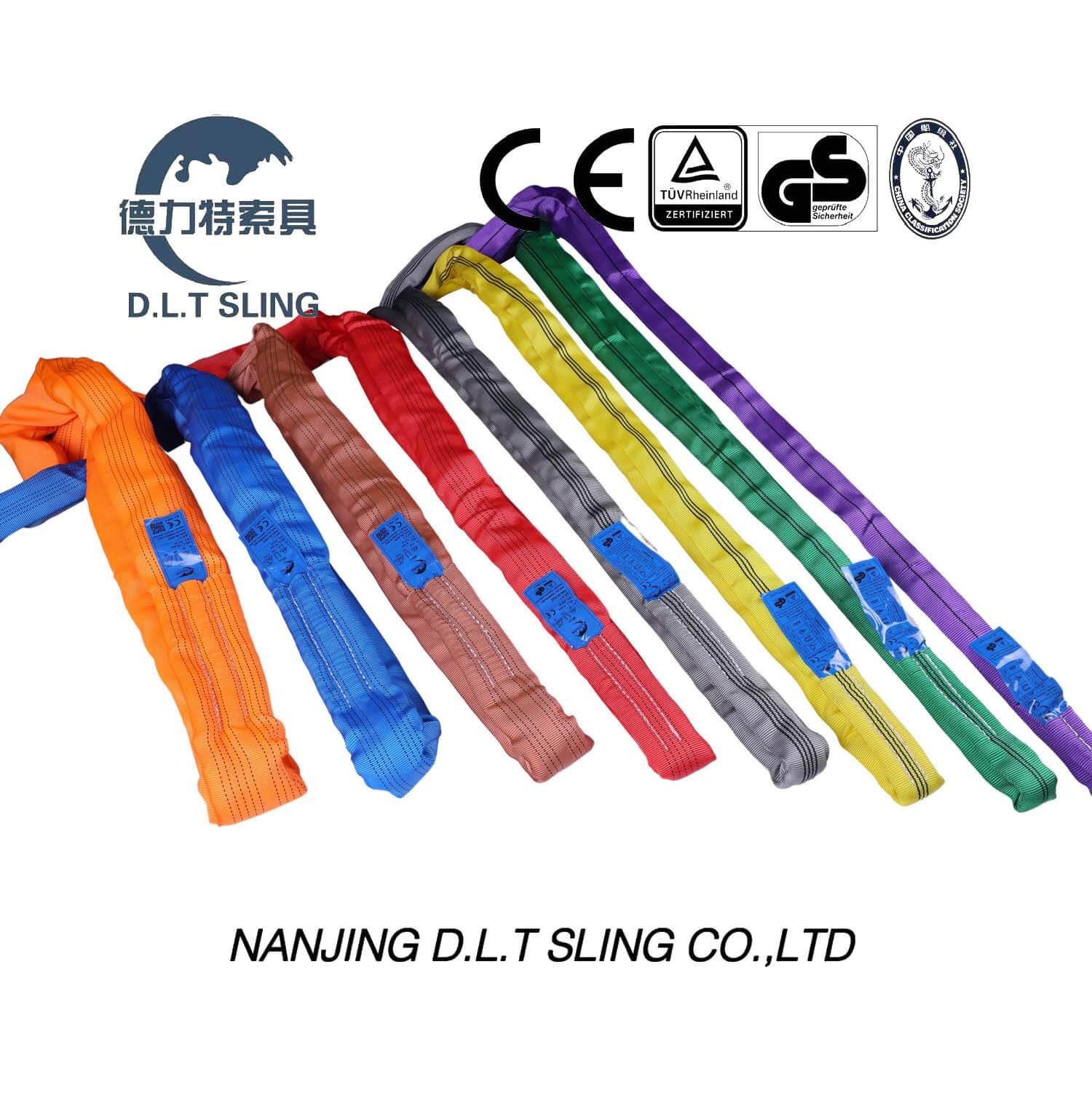
Unveiling Our High-Performance Round Slings From Material to Performance
In the world of lifting equipment, round slings are essential tools that provide a safe and efficient solution for lifting and rigging operations. These versatile and durable slings are designed to withstand heavy loads while ensuring maximum safety. In this blog post, we will take a closer look at our high-performance round slings, delving into their unique features, materials, and superior performance in various lifting applications.
Our round slings are crafted using high-quality materials to ensure their strength and durability. They are typically made from synthetic fibers such as polyester or nylon. These high-performance polymers offer excellent resistance to abrasion, UV rays, and chemicals, making the slings suitable for use in diverse environments and applications.
The construction of our round slings is meticulously engineered to provide optimal performance. They consist of a continuous loop of synthetic fiber webbing encased in a protective sleeve. This design prevents the occurrence of splice-related failures, enhances load distribution, and ensures the sling remains flexible and easy to handle.
Our round slings are available in various load capacities to accommodate a wide range of lifting requirements. Each sling is marked with a specific Working Load Limit (WLL), which indicates the maximum load the sling can safely lift. It is crucial to select the appropriate sling with the suitable WLL to ensure safe lifting operations.
The versatility of our round slings makes them suitable for different lifting applications across industries. Whether it's in construction, manufacturing, shipping, or warehouse operations, these slings prove their worth in lifting heavy machinery, equipment, cargo, and other loads. Their gentle and flexible nature allows them to adapt to the shape of the load, minimizing the risk of damage.
We prioritize safety in the design and manufacturing of our round slings. It is essential to follow proper usage guidelines and adhere to industry safety standards to prevent accidents and ensure the well-being of workers. Regular inspection and maintenance of the slings is crucial to identify any signs of wear, abrasion, or damage that may compromise their performance.
Proper storage and care contribute to the longevity and performance of our round slings. They should be stored in a clean and dry environment away from direct sunlight and chemicals. It is recommended to use protective sleeves or storage racks to prevent damage to the slings during storage.
Our high-performance round slings provide a reliable and efficient solution for a wide range of lifting applications. With their superior materials, construction, strength, and versatility, these slings offer unmatched performance and safety. By understanding the unique features and optimal usage of our round slings, businesses can enhance their lifting operations, minimize risks, and ensure the of their workforce.
What sizes can CNG Type 2 cylinders be made?
In this era of pursuing low-carbon environmental protection, Anhui Clean Energy brings you CNG cylinders of various sizes and excellent performance
Each CNG gas cylinder strictly follows the ECER110 and ISO11439 international implementation standards, excellent quality, reliable!
| Implementation standard | Cylinder Model and Standard |
Norminal Working Pressure (bar) |
Hyd.test Pressure (bar) |
Design Wall Thickness (mm) |
Material | Bottom Shape | Outer Diameter (mm) |
Water Capacity (L) |
Length (mm) |
Weight (kg) |
ECE R110 ISO11439-2013 |
CNG2-G-325-V-20B | 200 | 300 | 4.6 | 30CrMo | Convex | 325 | 60 | 910 | 46.5 |
| 65 | 965 | 50.0 | ||||||||
| 100 | 1430 | 74.5 | ||||||||
| 120 | 1690 | 88.5 | ||||||||
| CNG2-G-356-V-20B | 200 | 300 | 4.9 | Convex | 356 | 65 | 860 | 50.4 | ||
| 70 | 915 | 54.5 | ||||||||
| 75 | 960 | 57.5 | ||||||||
| 80 | 1010 | 60.5 | ||||||||
| CNG2-G-406-V-20B | 200 | 300 | 5.7 | Convex | 406 | 80 | 835 | 63.8 | ||
| 82 | 855 | 65.5 | ||||||||
| 90 | 915 | 70.0 | ||||||||
| 100 | 995 | 76.7 | ||||||||
| 212 | 1920 | 141.7 | ||||||||
| 220 | 1985 | 146.4 | ||||||||
| CNG2-G-426-V-20B | 200 | 300 | 5.9 | Convex | 426 | 260 | 2135 | 150.0 |
Whether it is a compact vehicle or a large transport vehicle, we have it all! The diameter of CNG type 2 cylinders can be made of 325 mm, 356 mm, 406 mm, 426 mm. The water volume can be made from 60 liters to 260 liters.
Which area is cng Type 1 gas cylinder exported to?
As an excellent supplier in the field of gas cylinders for many years. Over the years, we have invested in research and development, introduced advanced production equipment and technology, and committed to improving the safety performance, durability and environmental protection standards of gas tank. It is this persistent pursuit of quality that has won our gas cylinders a good reputation and wide recognition in the market.
High quality is the core competitiveness of our products. This batch of gas cylinders exported to Central and South America, from the selection of raw materials to every link of the production process, have gone through strict quality control and testing. Maintain stable working condition.
| Implementation standard | Cylinder Model and Standard |
Norminal Working Pressure (bar) |
Hyd.test Pressure (bar) |
Design Wall Thickness (mm) |
Material | Bottom Shape | Outer Diameter (mm) |
Water Capacity (L) |
Length (mm) |
Weight (kg) |
| ECE R110 | CNG1-219-V-20B | 200 | 300 | 5.5 | 34CrMo4 | Convex | 219 | 50 | 1625 | 57.5 |
| CNG1-232-V-20B | 200 | 300 | 5.5 | 34CrMo4 | Convex | 232 | 30 | 925 | 34.0 | |
| 35 | 1060 | 38.6 | ||||||||
| 40 | 1195 | 43.2 | ||||||||
| 50 | 1465 | 52.4 | ||||||||
| 60 | 1735 | 61.6 | ||||||||
| CNG1-279-V-20B | 200 | 300 | 6.0 | 34CrMo4 | Convex | 279 | 80 | 1620 | 76.5 | |
| CNG1-325-V-20B | 200 | 300 | 6.8 | 34CrMo4 | Convex | 325 | 52 | 846 | 55.1 | |
| 62 | 978 | 62.9 | ||||||||
| 115 | 1670 | 99.0 | ||||||||
| 120 | 1740 | 103.0 | ||||||||
| CNG1-356-V-20B | 200 | 300 | 7.5 | 34CrMo4 | Convex | 356 | 65 | 890 | 69.3 | |
| 75 | 1001 | 77.2 | ||||||||
| 80 | 1056 | 81.2 | ||||||||
| 150 | 1810 | 134.0 | ||||||||
| CNG1-406-V-20B | 200 | 300 | 8.5 | 34CrMo4 | Convex | 406 | 80 | 860 | 84.4 | |
| 90 | 945 | 92.2 | ||||||||
| 100 | 1045 | 103.2 | ||||||||
| 220 | 2065 | 197.5 |
Behind this successful export is the solid support for the company's steady operation. We have a sound production management system, efficient supply chain system and professional after-sales service team to ensure the efficient operation of production and timely delivery of products.
In short, the successful export of this high-quality gas cylinder is not only an affirmation of our past efforts, but also an incentive for future development.
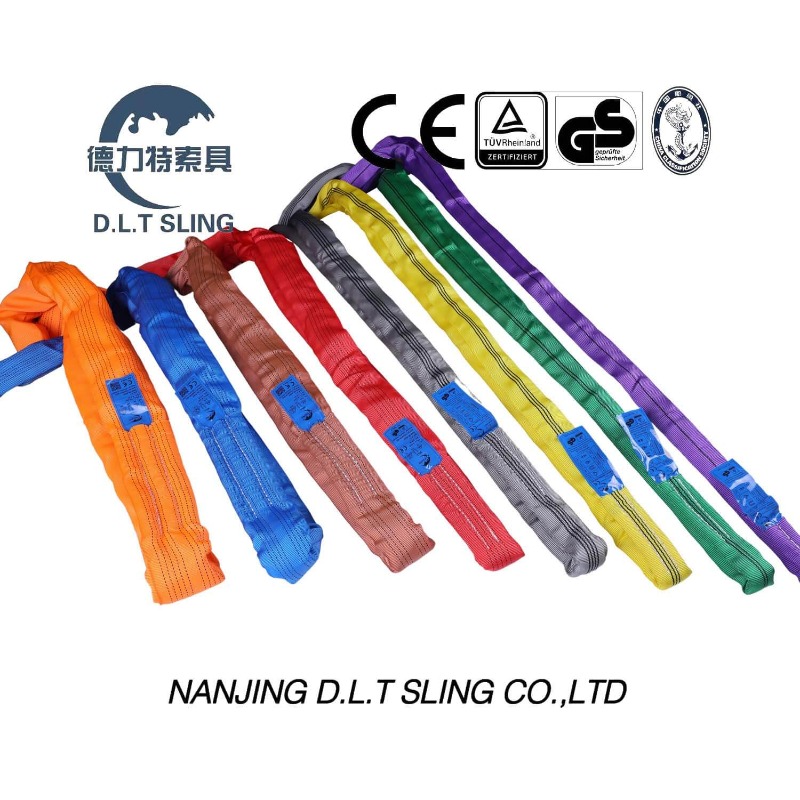
From Material to Performance Unveiling Our Polymer Fiber Webbing Slings
Webbing slings have revolutionized the lifting and rigging industry with their strength, versatility, and reliability. Among the various materials used for webbing slings, polymer fibers have gained significant attention for their exceptional performance. In this blog post, we will delve into the world of polymer fiber webbing slings, exploring their composition, unique properties, and the advantages they bring to lifting operations.
Polymer fibers, also known as high-performance synthetic fibers, are the key building blocks of modern webbing slings. These fibers are typically made from materials such as polyester or nylon, which offer high strength, excellent resistance to abrasion, and dimensional stability. The manufacturing processes ensure the fibers are tightly woven or stitched together to form a robust and flexible webbing sling.
When compared to traditional steel wire rope slings, polymer fiber webbing slings offer distinct advantages. Firstly, they are lighter in weight, making them easier to handle and transport. Additionally, they are more flexible, allowing for easier adjustment and adaptation to various load shapes. Polymer fibers also exhibit non-conductive properties, making them safe for use in electrical or high-voltage environments. Furthermore, they are less prone to corrosion and do not require lubrication, reducing maintenance efforts.
Polymer fiber webbing slings offer several performance benefits that make them an ideal choice for lifting operations. Firstly, their flexibility allows them to conform to the shape of the load, providing optimal load distribution and minimizing the risk of damage. Moreover, they have low elongation properties, ensuring minimal stretch during lifting, which enhances stability and control. The softness and smoothness of the webbing minimize the risk of scratching or marring the lifted objects.
Polymer fiber webbing slings find applications across a wide range of industries, including construction, manufacturing, logistics, and offshore operations. They are commonly used for rigging and lifting heavy equipment, machinery, and materials. Their versatility and adaptability make them suitable for both indoor and outdoor lifting operations, including confined spaces and challenging environments.
One of the biggest advantages of polymer fiber webbing slings is their remarkable strength-to-weight ratio. They are engineered to withstand heavy loads while remaining lightweight and easy to handle. Polymer fibers possess high tensile strength, enabling them to handle substantial loads without compromising safety. Additionally, they exhibit excellent resistance to UV radiation, moisture, and chemicals, enhancing their durability and lifespan.
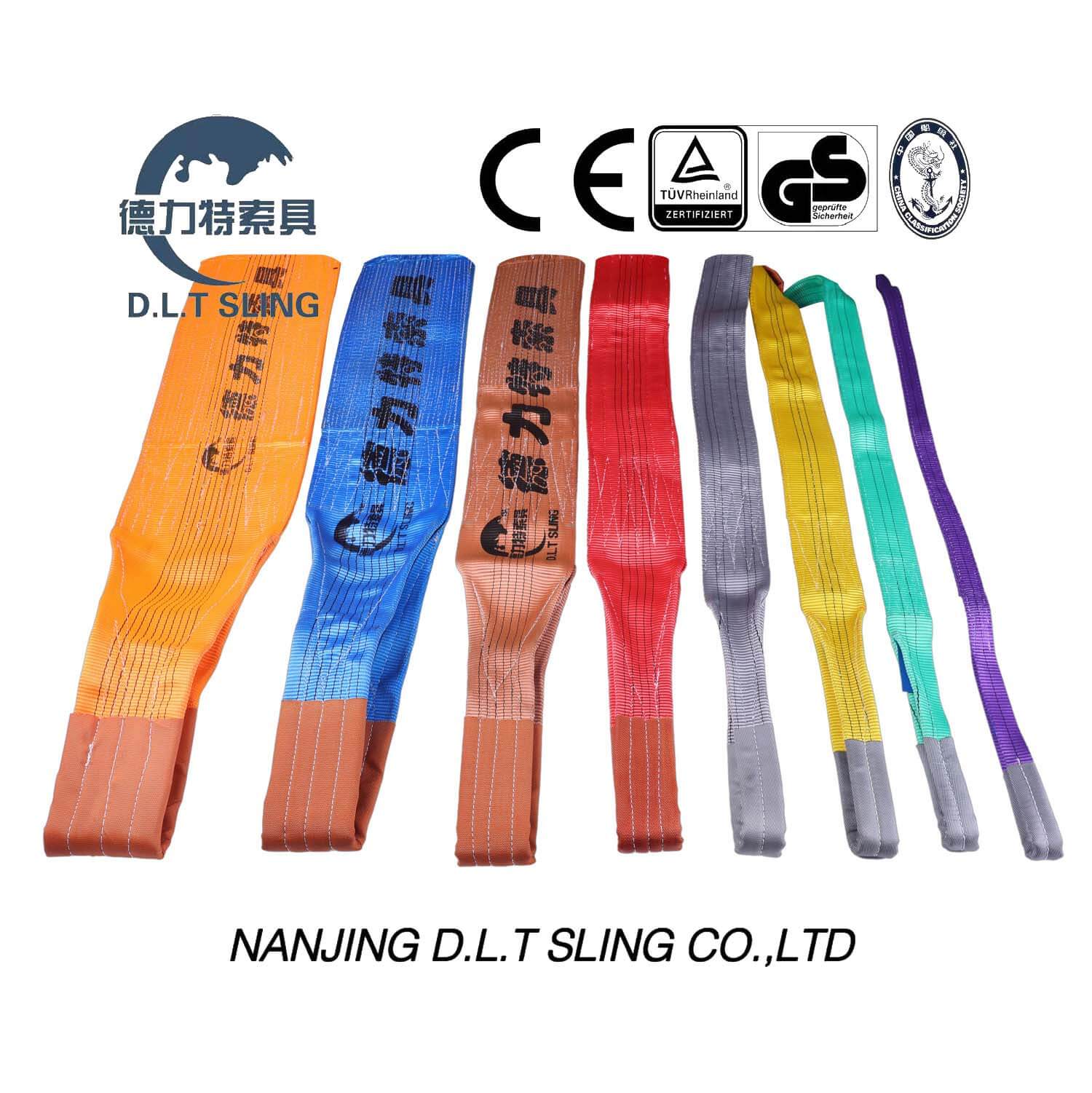
What is double eye sling?
Introduction
In the world of lifting and rigging, innovative tools continue to revolutionize the industry, enabling safer and more efficient operations. One such tool that has gained widespread recognition is the Eye-Eye Webbing Sling. With its adaptability, strength, and versatility, this remarkable lifting accessory has become a staple for professionals across various industries.
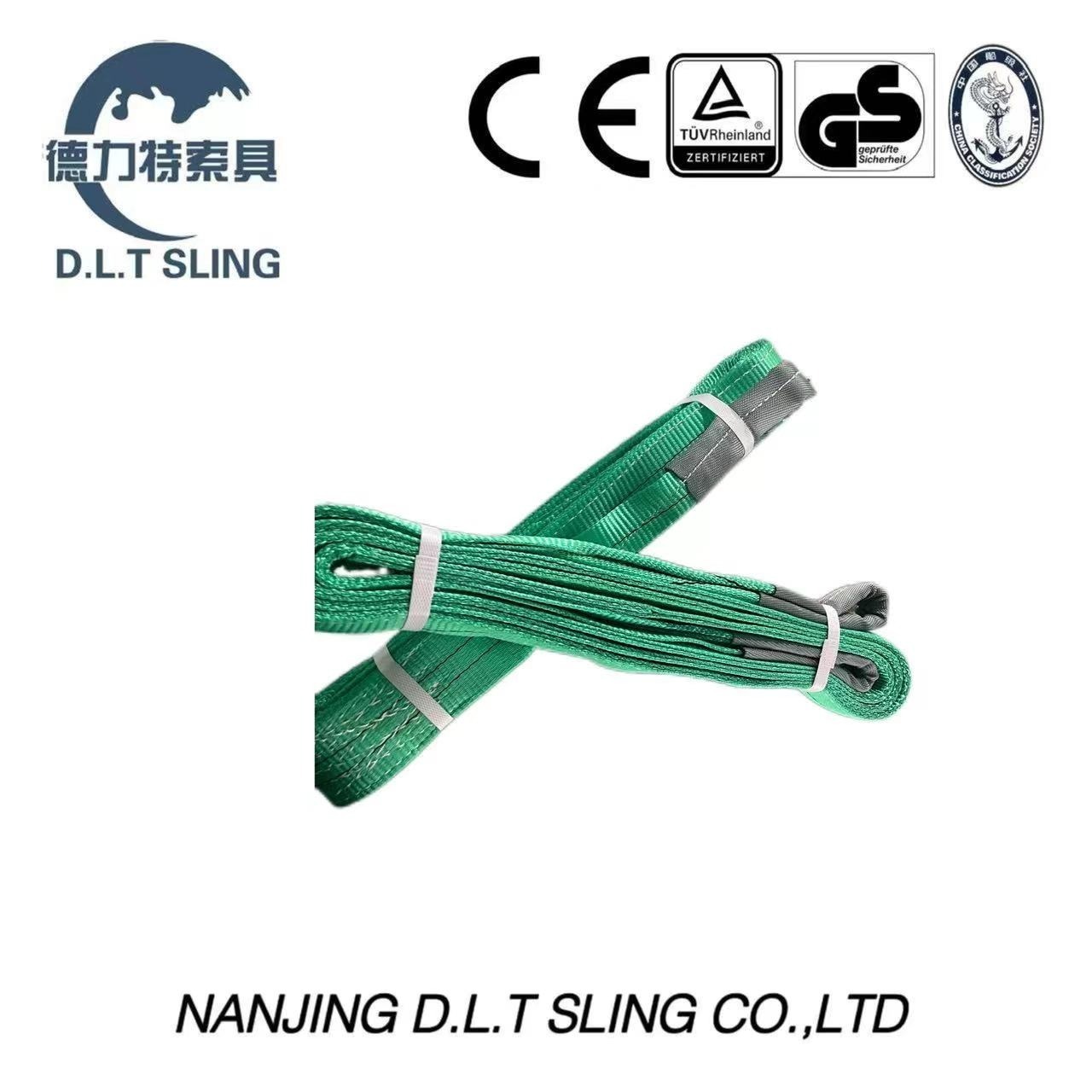
The Definition: What is Double Eye Sling?
A Double Eye Sling, also known as an Eye-Eye Webbing Sling, is a robust lifting apparatus designed to handle heavy loads with utmost precision. Crafted using high-quality webbing material, these slings possess exceptional strength and durability, making them ideal for a wide range of lifting applications. These slings feature two eyes, or loops, at both ends, allowing for secure attachment and easy manipulation.
Unparalleled Versatility
Eye-Eye Webbing Slings offer unparalleled versatility, capable of adapting to diverse load requirements. From construction sites to warehouses and maritime operations, these slings can be used in a plethora of industries, guaranteeing optimal performance in various lifting scenarios.
1.Maritime Operations: Eye-Eye Slings find their utility in the maritime sector, assisting with cargo handling, ship maintenance, and even rescue operations. Their resistance to water and corrosion ensures their reliability in marine environments.
2. Construction: Eye-Eye Slings are indispensable in the construction sector, facilitating the lifting of structural components, beams, and scaffolding materials. Their superior strength and durability enable safer and more efficient construction practices.
3. Warehousing: Within the warehousing industry, Eye-Eye Webbing Slings simplify the transportation of heavy loads, such as crates, pallets, and machinery. Their flexible design ensures a secure grip, minimizing the risk of accidents and damage.
Quality Assurance from Trusted Manufacturers
To guarantee optimal performance and safety, it is imperative to source Eye-Eye Webbing Slings from reputable webbing sling manufacturers. These manufacturers adhere to strict quality standards, ensuring the slings are manufactured using high-grade materials and state-of-the-art technology. By investing in slings from trusted manufacturers
What is the difference between webbing sling and round sling?
When it comes to lifting heavy loads and ensuring workplace safety, it's essential to choose the right lifting equipment. Two popular options for material handling in various industries are webbing slings and round slings. While both serve the same purpose, they have distinct characteristics that make them suitable for different applications. In this blog post, we will explore the differences between webbing slings and round slings, highlighting their unique features and common uses.
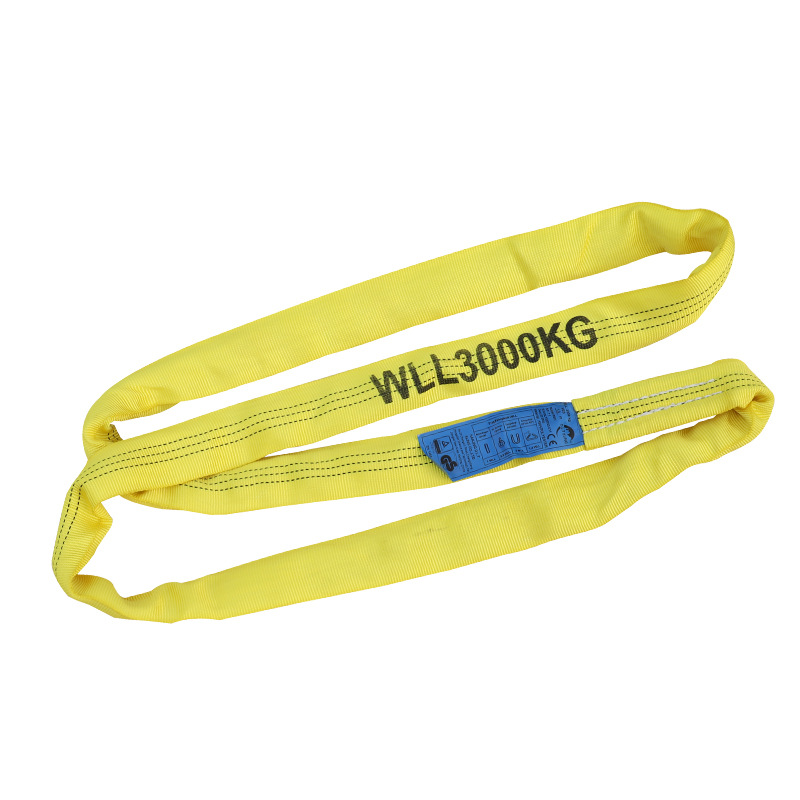
Round slings, as the name suggests, are circular in shape and typically made of synthetic fibers like polyester. They feature a continuous loop construction and have no fixed endpoints, providing flexibility in load attachment points. Round slings are known for their excellent strength-to-weight ratio and versatility in handling a wide range of loads.
Key Features of Round Slings:
Soft and non-damaging: The soft texture of round slings minimizes the risk of scratches or dents on delicate surfaces.
High strength: Round slings are designed to withstand heavy loads and offer a high lifting capacity.
Adaptability: The endless loop construction allows for easy adjustment of the sling length to suit different load sizes and shapes.
Load distribution: Round slings evenly distribute the load weight, reducing the risk of damage to the load.
Safety features: Round slings are often color-coded based on their load capacity, ensuring proper selection for each lifting task.
Common Applications of Round Slings:
Rigging and lifting heavy machinery in industrial settings.
Lifting and transporting construction materials.
Offshore and maritime operations.
Tree removal and arboriculture.
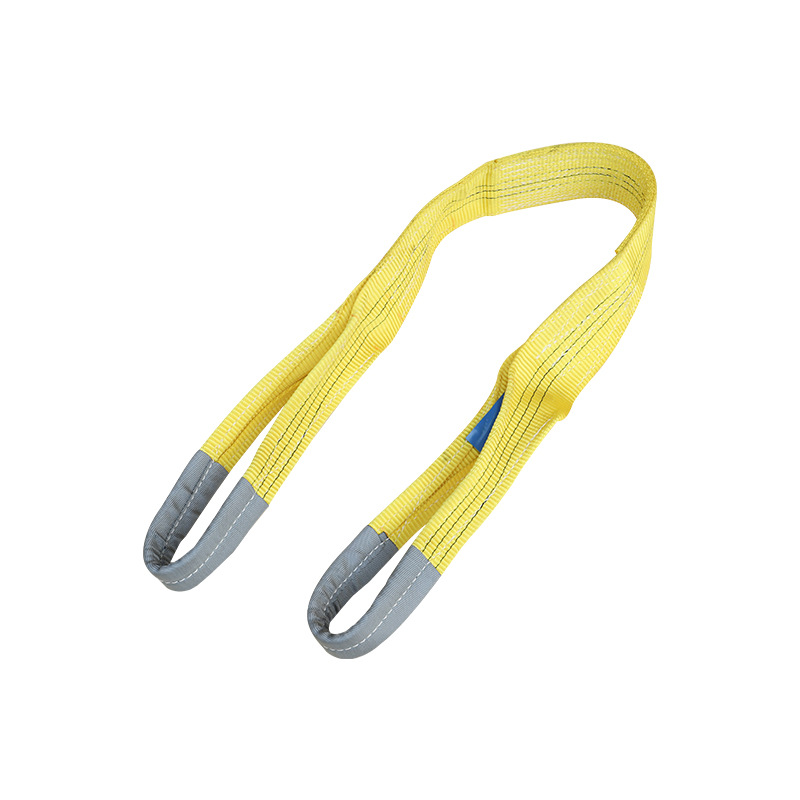
Webbing slings are made of woven polyester or nylon fibers, creating a durable and flexible lifting strap. They have a flat, ribbon-like appearance and come in various widths and load capacities. The most common types of webbing slings include flat eye, twisted eye, and endless loop configurations.
Key Features of Webbing Slings:
Lighter weight: Compared to round slings, webbing slings tend to be lighter, making them easier to handle and transport.
Protection against abrasion: The smooth surface of webbing slings helps minimize damage to delicate or fragile loads.
-Cost-effective: Webbing slings are generally more affordable than round slings, making them a popular choice for light to medium-duty lifting tasks.
Enhanced visibility: Webbing slings are often available in bright colors, enhancing visibility during lifting operations.
Excellent flexibility: Webbing slings offer high flexibility, making them ideal for lifting irregularly shaped loads.
Common Applications of Webbing Slings:
Lifting machinery and equipment in manufacturing and construction industries.
Moving goods in warehouses and logistics operations.
Hoisting materials during maintenance and repair processes.
In summary, both webbing slings and round slings serve as crucial lifting tools in a wide range of industries. While webbing slings are preferred for their flexibility, lightweight design, and cost-effectiveness, round slings excel in load distribution, strength, and adaptability. Understanding the differences between these two types of slings is essential to make an informed choice based on specific lifting requirements. Always prioritize safety and compliance with industry standards when selecting and using lifting equipment.
Maximizing Performance of Industrial Applications with AOE Metal Pump Series
Maximizing Performance of Industrial Applications with AOE Metal Pump Series
In the world of industrial operations, efficiency and reliability are critical. The AOE metal pump series is designed to provide both, offering robust, corrosion-resistant solutions that meet the demanding needs of various industries. Whether it's for chemical processing, wastewater treatment, or handling abrasive materials, this series stands out as a top choice. These pumps, part of the AOE membrane pump family, take industrial operations to the next level with their powerful air-operated technology.
Why Choose AOE Metal Pump Series?
The AOE metal pump series is more than just a pump—it's a powerhouse of durability and precision. Constructed with high-grade materials like stainless steel or aluminum, these pumps can withstand extreme temperatures, corrosive environments, and heavy-duty cycles. The air-operated mechanism reduces wear and tear, ensuring long-term functionality with minimal maintenance.
Key Benefits:
- Durability: With a metal construction, this pump can handle aggressive liquids without deteriorating.
- Efficiency: The air-operated design optimizes energy use, making it eco-friendly and cost-effective.
- Versatility: Ideal for industries such as petrochemical, mining, and manufacturing.
Comparing AOE Membrane Pump and Metal Air-Operated Pumps
When considering the broader AOE membrane pump category, the AOE metal pump series holds a significant position. While membrane pumps are known for their versatility, the metal air-operated variants, like those in the AOE series, offer a specialized edge in durability. The metal air-operated pump not only handles more challenging materials but also operates smoothly in high-pressure environments, reducing downtime in critical applications.
Elevate Your Operation with AOE Metal Pump Series
The AOE metal pump series is the ultimate choice for businesses looking to enhance efficiency and durability in their industrial processes. Its air-operated, metal design ensures reliability in the toughest conditions, while its role in the AOE membrane pump family highlights its versatility and strength. If your industry demands top-tier performance, this pump series is an investment worth making.
Lightweight, Corrosion-Resistant Solutions for Industrial Applications
Lightweight, Corrosion-Resistant Solutions for Industrial Applications
In industries where corrosive chemicals, liquids, and sensitive materials are a common challenge, having the right equipment is crucial. The AOE plastic pump series is engineered to deliver exceptional performance in such environments, offering a lightweight yet durable solution that resists corrosion, chemical damage, and abrasive wear. With a focus on efficiency and long-lasting service, these pumps are the ideal choice for industries ranging from chemical processing to pharmaceuticals.
Key Features of the AOE Plastic Pump Series
The AOE Plastic pump series is designed with high-grade plastics such as polypropylene (PP) or PVDF (polyvinylidene fluoride), known for their chemical resistance and strength. Additionally, these pumps can be paired with high capacity air operated membrane pumps to further enhance performance, especially in industries where large volumes of fluids need to be transferred efficiently. These high-capacity pumps excel in providing steady flow and consistent pressure.
Key Features:
- Corrosion Resistance: Designed to handle highly corrosive fluids, making it perfect for industries like chemical processing, plating, and water treatment.
- Lightweight Design: Easier to install and maintain due to the lightweight materials used in construction.
- Energy Efficiency: These pumps are designed to minimize energy consumption while maximizing output, reducing operational costs.
Applications Across Various Industries
The AOE plastic pump series is not just about being tough and reliable; it’s also incredibly versatile. These pumps are often used in applications where high purity and chemical resistance are required. Industries that benefit from these plastic pumps include:
- Chemical Processing: Safely handling acids, alkalis, and other corrosive materials.
- Water Treatment: Durable against the harsh chemicals used in water purification and treatment plants.
- Pharmaceuticals: Ensuring contamination-free handling of sensitive fluids.
With their ability to withstand tough environments and maintain peak performance, these pumps are indispensable for many industries.
Why AOE Plastic Pump Series Stands Out
The AOE plastic pump series offers unmatched performance where it matters most. Their chemical resistance and durability make them perfect for businesses needing reliable, long-lasting equipment that won't corrode or degrade under intense industrial conditions. Whether you're dealing with highly acidic environments or just need a cost-effective pump solution, this series delivers on all fronts.
The Future of Fluid Handling with AOE Plastic Pump Series
For companies looking to stay ahead in today’s fast-evolving industries, the AOE plastic pump series provides a cutting-edge solution that combines efficiency, durability, and chemical resistance. This series not only offers superior performance but also ensures that your operations run smoothly with minimal downtime and maintenance.