Butane Gas Can (Cassette gas cylinders) have many uses and are widely used in different fields. Whether in cooking, camping, medical rescue, or in instrumentation, car anti-theft and other industries, cassette gas cylinders play an irreplaceable and important role.
---------------------------------------------------
Size: diameter 65*159mm
Body tin thickness: 0.20mm
Aerosol cone tin thickness: 0.35mm
Aerosol dome tin thickness: 0.32mm
Deformation pressure ≥13.5 bar
Burst pressure ≥15.0 bar
Outside printing: CMYK
Inside Lacquer: clear

What are Aerosol Cans Used For?
The use of aerosol cans is very extensive, mainly including the following aspects:
Medical industry: aerosol cans are widely used in the medical industry to store and transport medical aerosols, such as inhaled aerosol and aerosol, and medical oxygen. The materials used to make storage cans must comply with hygiene standards to ensure the safety and effectiveness of drugs.
Paper industry: In the paper industry, aerosol cans are used to store chemicals that need to be added during pulp production. These drugs usually exist in gaseous or liquid form, and are stored in aerosol cans to ensure the quality and effectiveness of the drugs, as well as facilitate pipeline transportation.
Industrial field: Aerosol cans are widely used in industrial fields, such as photovoltaic crystalline silicon, semiconductor manufacturing, heavy industry manufacturing, etc., to ensure the safety and efficiency of industrial production
Laboratory: In the laboratory, aerosol cans are used to store liquefied gases and other unstable gases, facilitating the operation of experiments and ensuring their safety.
Other applications: Aerosol cans are also used to store various chemical solvents and cleaning agents, such as isopropanol (IPA), and are widely used for cleaning work in electronic assembly and repair processes. In addition, aerosol canning machines are widely used in industrial, chemical, daily chemical, pharmaceutical and other industries, mainly for self painting, insecticides, cleaning agents and other products.
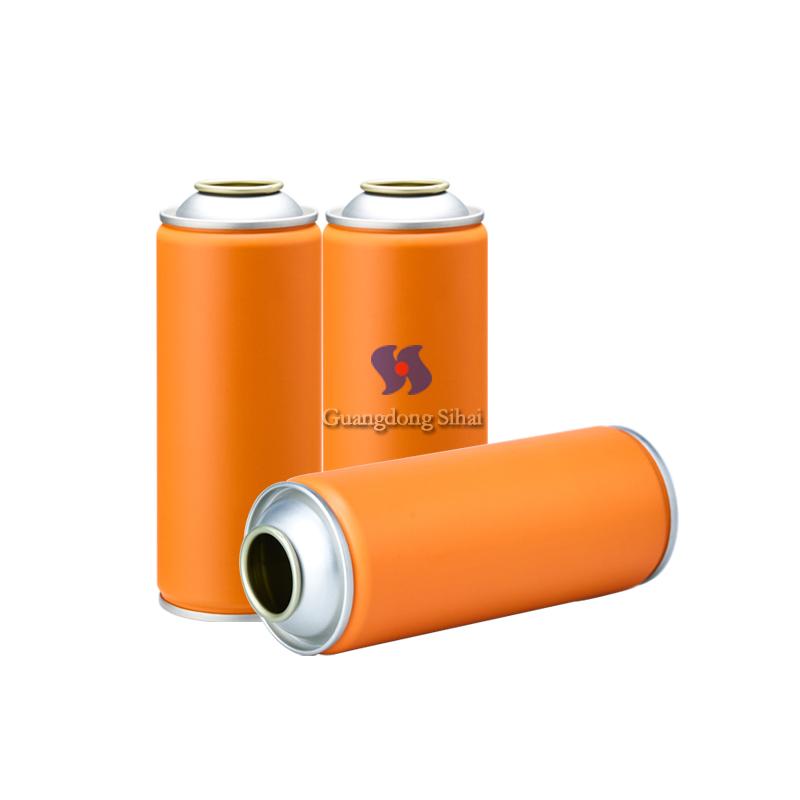
Why are Straight-Wall cans more suitable for butane gas products?
The reason why straight-wall cans are more suitable for butane gas products is mainly due to their structure and design. Straight-wall cans typically have a more stable and uniform wall thickness, which allows them to perform better when subjected to internal pressure. In addition, the design of straight-wall cans makes them easier to maintain stability during filling and use, reducing the risk of leakage and explosion.
Secondly, the manufacturing process of straight-wall cans is relatively simple and cost-effective, which makes them more advantageous in large-scale production. Meanwhile, the shape of straight-wall cans also makes them more convenient and space saving during transportation and storage.
Finally, the material of straight-wall cans usually has high strength and corrosion resistance, which makes them more durable during use and extends the product's lifespan. Therefore, straight-wall cans are considered more suitable for use in butane gas products.
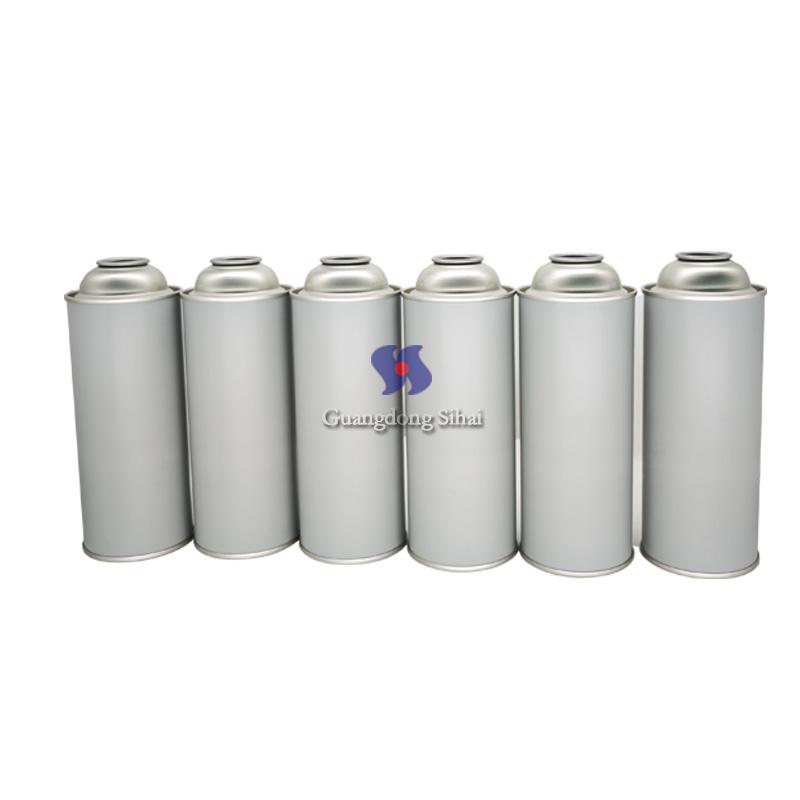
Why Artwork Proofing Is Critical for Custom Aerosol Tin Can Printing
Why Artwork Proofing Is Critical for Custom Aerosol Tin Can Printing
In the aerosol packaging industry, product quality is not only determined by can performance and sealing reliability. For brands competing in today’s market, packaging appearance has become equally important. A high-quality printed aerosol tin can directly influences customer perception, brand recognition, and purchasing decisions.
At SiHai, we understand that a flawless final product begins long before mass production starts. Precision in tinplate printing requires strict control, professional communication, and detailed artwork verification. That is why we place great importance on our artwork proofing process to ensure every custom aerosol can perfectly matches our customer’s expectations.
Why Artwork Proofing Matters in Aerosol Tin Can Manufacturing
Printing on tinplate is very different from standard paper or plastic printing. Factors such as metal surface reflection, coating performance, color tolerance, can curvature, and production positioning all influence the final result.
Without a proper proofing process, problems may occur during production, including:
-
Color differences between design and finished cans
-
Missing or unclear small details
-
Incorrect barcode or logo positioning
-
Text distortion near cone and dome areas
-
Printing alignment deviation after can forming
For this reason, SiHai follows a strict multi-step verification system before mass production begins.
Step 1: Digital Artwork Proofing
After receiving the customer’s artwork file, our professional design and Quality Assurance team immediately conducts a detailed review.
During this stage, we carefully check:
-
Artwork dimensions and layout
-
CMYK and PANTONE color settings
-
Barcode clarity and readability
-
Font compatibility and missing elements
-
Printing position on the aerosol can template
-
Safety margins for rolling and seaming areas
Because aerosol cans are formed from printed tinplate sheets, some areas near the top and bottom must reserve production margins to avoid text or graphics being rolled into the seams during manufacturing.
If any issue is identified, our team communicates with the customer immediately to adjust and optimize the artwork before approval.
Normally, the digital proofing process can be completed within 2–3 working days.
Step 2: Color Range Board Approval
Color consistency is one of the most important requirements for branded aerosol packaging.
After digital artwork approval, SiHai produces physical Color Range Boards based on the actual tinplate printing process. These boards define the acceptable color tolerance range, including:
-
Light Limit
-
Dark Limit
-
Approved production color standard
This process is extremely important because the appearance of colors on tinplate can differ from digital screens due to metal reflection, varnish effects, and printing conditions.
By approving the Color Range Board before production, customers can clearly confirm the expected final printing effect and ensure all future production batches maintain stable color consistency.
Step 3: Pre-Production Sample (PPS)
Before official mass production begins, SiHai creates a Pre-Production Sample using the actual production line and manufacturing process.
This allows customers to review:
-
Final printing appearance
-
Color accuracy
-
Gloss or matte varnish effect
-
Seam positioning
-
Overall visual presentation
-
Compatibility with filling line requirements
The PPS serves as the final confirmation step before large-scale production proceeds.
For urgent orders, and only with customer approval, production may proceed based on approved color boards first, while the PPS is sent together with the first production batch for confirmation.
Why Customers Choose SiHai for Aerosol Tin Can Printing
With nearly 30 years of manufacturing experience, SiHai has built a complete production and quality management system for aerosol packaging.
Our advantages include:
-
Advanced Japanese Fuji printing equipment
-
CMYK + PANTONE printing capability
-
Professional tinplate coating solutions
-
Strict color control procedures
-
Experienced technical and QC teams
-
Fast communication during artwork confirmation
-
Stable mass production quality
We believe that excellent packaging starts with excellent communication. Every project is treated carefully to ensure the customer’s brand image is accurately reproduced on every aerosol can.
Partner with SiHai for Reliable Aerosol Packaging Solutions
At SiHai, we are committed to helping customers achieve both product safety and premium packaging appearance. Whether you require custom aerosol cans, printed tinplate, cones and domes, or complete aerosol packaging support, our team is ready to assist you professionally and efficiently.
If you are looking for a reliable aerosol tin can manufacturer in China, feel free to contact us for:
-
Artwork evaluation
-
Sample support
-
Printing consultation
-
Technical recommendations
-
Customized aerosol packaging solutions
.
Popular Industrial Ceramic Accessories in 2026
In 2026,Ceramic Technology became one of the fastest-growing advanced materials, with the global market size exceeding US$180 billion. From 5G communications and data centers to new energy vehicles and semiconductor manufacturing, high-performance ceramic components are replacing traditional metals and plastics at an unprecedented pace, becoming a core force driving industrial upgrading. The following article analyzes the most in-demand ceramic components in major industries today.
1.Zirconia Fiber Optic Ceramic Ferrules: Core Components for Global High-Speed Communication
With the continued widespread adoption of 5G networks and fiber-to-the-home (FTTH) projects, 3Y stabilized zirconia fiber optic ceramic ferrules have become the world's largest-selling precision ceramic product. These ferrules boast extremely high dimensional accuracy, with an inner hole tolerance of 125±1 micrometers and a concentricity ≤0.5 micrometers, ensuring low-loss mating for various fiber optic connectors such as SC, LC, and ST. With a Vickers hardness of 1200–1300 HV and a temperature resistance range of -40℃ to 85℃, these ferrules exhibit stable chemical properties, making them an irreplaceable core component in data centers, communication infrastructure, and industrial laser equipment.
2.Alumina-based multilayer ceramic capacitors (MLCCs):
The "rice" of the electronics industry. Alumina-based multilayer ceramic capacitors (MLCCs) are the most widely used passive electronic components, with annual shipments reaching trillions of units. They are characterized by miniaturization (smallest size 01005: 0.4 × 0.2 mm), large capacitance, and low equivalent series resistance and inductance. They are widely used in smartphones, automotive electronics, and new energy equipment, performing functions such as power filtering, signal decoupling, and electromagnetic interference suppression. The 95%–99.5% high-purity alumina material possesses excellent insulation, temperature resistance (-55℃ to 125℃), and aging resistance.
3.Alumina Wear-Resistant Liners and Accessories: A Durable Choice for Harsh Industrial Applications
In the mining, oil and gas, and lithium-ion battery new energy sectors, high-purity alumina wear-resistant parts are crucial for extending equipment lifespan. Alumina boasts a Mohs hardness of 9, its wear resistance is 10 times that of high-chromium cast iron, and it also possesses strong corrosion resistance, making it suitable for products such as pipe elbows, pump bushings, ceramic nozzles, and lithium-ion battery powder conveying components. It effectively prevents the introduction of metallic impurities, ensuring the purity of lithium-ion battery raw materials, while significantly reducing equipment maintenance costs under high-wear conditions.
4.Zirconia Structural Ceramic Components: Robust, Lightweight, and Versatile
Zirconia structural ceramic components, with their excellent fracture toughness (8–10 MPa·m¹/²) and high specific strength, are in ever-increasing demand in the automotive, medical, and industrial machinery sectors. Mainstream products include ceramic valve seats, plunger rods, ceramic bearings, and medical devices. Zirconia is resistant to thermal shock and corrosion, making it suitable for high-pressure pump bodies, automotive parts, and high-precision components, perfectly balancing durability and machining accuracy.
Three Core Advantages of Popular Ceramic Products
- Superior Performance: hardness, temperature resistance, and chemical stability are all superior to traditional metal materials;
- Precision Miniaturization: micron-level machining tolerances are achievable, making them compatible with various miniaturized high-tech equipment;
- Green and Sustainable: long service life, low waste, non-toxic and stable materials, aligning with global low-carbon development concepts.
From fiber optic ferrules for data centers to wear-resistant components for lithium batteries, various mainstream industrial ceramic components have become indispensable key components of modern high-tech industries by 2026. Dongguan Xinzhida Technology focuses on the research and development and supply of high-precision alumina and zirconia ceramic components, providing customized, high-quality ceramic solutions to global customers and supporting continuous innovation and development in the fields of communications, electronics, and industrial manufacturing.
Feel free to contact us anytime for material selection advice, customized quotes, and complete case studies for your industry or scan https://www.w7ceramicpartsltd.com/.
What are the applications of ceramic in the laboratory?
In fields such as modern analytical testing, chemical research, pharmaceutical R&D, new energy material testing, and environmental monitoring, the material properties of laboratory apparatus directly determine experimental accuracy, data reproducibility, and operational safety. Traditional laboratory equipment made of glass, plastic, or metal suffers from significant drawbacks: glass is prone to corrosion and lacks resistance to strong alkalis; plastics cannot withstand high temperatures or organic solvents; and metal instruments are highly susceptible to leaching heavy metal ions, which contaminate experimental samples.
In contrast, Alumina Ceramic Lab ware—characterized by exceptional chemical stability, high-temperature resistance, zero water absorption, and extreme hardness—has become a standard, mainstream choice for laboratories worldwide.
Dongguan Xinzhida Technology Co., Ltd. is a custom ceramic manufacturing,we could offers a comprehensive range of laboratory ceramic ware, including ceramic reaction plates, Büchner funnels, ceramic mortars and pestles, and ceramic stirring rods. These products are widely used in academic teaching, research laboratories, fine chemical industries, pharmaceutical companies, and new energy material manufacturing plants, with exports to the world.
Laboratory Ceramic Performance Specifications (Supported by Quantitative Data)
Xinzhida’s products are categorized into two main grades: standard physicochemical ceramics (45%–55% alumina) and 95% High-purity Alumina Ceramics. All products comply with international testing standards for Laboratory Ceramics, featuring performance parameters that are quantifiable and strictly controlled.
| Performance Indicators | Standard laboratory porcelain for physical and chemical experiments | High-Purity Alumina Ceramic | Explanation of Industry Advantages |
| Alumina Purity | 45%–55% | ≥95% | the high-purity version significantly reduces trace ion leaching, making it suitable for precision experiments. |
| Bulk Density | 2.3–2.7 g/cm³ | 3.60–3.65 g/cm³ | the green body is extremely dense, with no loose areas or voids internally. |
| Water Absorption Rate | ≤0.3% after glazing | ≤0.01% | near-zero water absorption; no reagent residue; no sample carryover. |
| Mohs Hardness | 7 | 9 | exceptionally high wear resistance; suitable for long-term, repeated use. |
| Long-term Temperature Resistance | ≤1050℃ | ≤1250℃ | suitable for high-temperature sample pretreatment and ashing experiments. |
| Flexural Strength | ≥40 MPa | ≥330 MPa | resistant to vibration and negative pressure; does not easily crack when heated. |
| Thermal Stability | good | excellent (no cracking upon rapid cooling from 1500°C) | suitable for laboratory operating conditions involving frequent thermal cycling. |
| Chemical Corrosion Resistance | resistant to conventional acids and alkalis; stable in weak alkalis. | resistant to strong acids, concentrated alkalis, and various organic solvents. | suitable for extremely corrosive experimental environments. |
Key Advantages of Alumina Ceramics in Laboratory Applications
1. Exceptional chemical inertness and zero sample contamination
Unlike metal or glass, alumina ceramics do not react with the vast majority of chemical reagents. This eliminates impurity interference at the source, ensuring the accuracy and reproducibility of experimental data.
2. Stable physical properties and superior durability
With a high-hardness, high-strength structure, these ceramics support long-term, repeated use, significantly reducing the cost of replacing laboratory consumables. Their excellent thermal shock resistance solves issues such as cracking caused by high-temperature heating or rapid temperature fluctuations.
3. Easy cleaning and suitability for high-precision experiments
The fully glazed, smooth, and dense surface prevents the accumulation of contaminants in pores, making cleaning and sterilization easy. This makes them ideal for high-standard experimental environments, such as those involving high-purity materials or sterile research.
With their unique advantages—including corrosion resistance, high-temperature tolerance, freedom from contamination, and exceptional durability—alumina ceramic laboratory ware has become an indispensable consumable for sample processing and precision analysis in modern laboratories. Dongguan Xinzhida Technology Co., Ltd. provides global customers with one-stop laboratory ceramic solutions, combining cost-effectiveness with the requirements of high-end, precision experimentation. Backed by a comprehensive product range, standardized performance specifications, and consistent export quality, the company’s products are reliably exported to markets in Europe, the Americas, Southeast Asia, and the Middle East, earning long-standing recognition from laboratory distributors and research institutions worldwide.
What is Alumina Cramic Ring?
Alumina ceramic rings are precision industrial ceramic components—classified as a core type of structural ceramic—manufactured from high-purity alumina (Al₂O₃) through high-temperature sintering and precision grinding. Thanks to a combination of properties such as extreme hardness, superior wear and corrosion resistance, high-temperature stability, excellent electrical insulation, and non-magnetic characteristics, they effectively overcome the performance limitations of metal and plastic parts. Widely replacing traditional materials, these rings serve as critical wear-resistant, sealing, and insulating components in high-end applications—including mechanical seals, precision equipment, new energy sectors, and chemical metallurgy—playing a pivotal role in reducing equipment wear, extending service life, and ensuring operational stability.
Key Performance Parameters of Alumina Ceramic Rings (Mainstream Standards for Industrial 99% Alumina)
The most common industrial-grade ceramic rings are made of 99% alumina; offering stable parameters and high adaptability, they are the preferred choice for industrial mass production. Key specifications include:
1. Hardness: Mohs hardness of 9 (second only to diamond) and Vickers hardness of 1700–2000 HV; far exceeding metals and plastics, they offer exceptional resistance to impact, compression, and wear.
2. Temperature Resistance: melting point up to 2072°C with a long-term stable operating temperature of 1500°C; they do not deform, soften, or lose performance in high-temperature environments.
3. Wear Resistance: wear resistance is 200 times that of stainless steel, 171.5 times that of high-chromium cast iron, and 266 times that of manganese steel; material loss from long-term erosion and abrasion is extremely low.
4. Insulation: resistivity >10¹⁴ Ω·cm at room temperature; excellent insulation properties with no risk of conduction or leakage, making them suitable for high-voltage electrical applications.
5. Corrosion Resistance: resistant to acids, alkalis, salt spray, and organic solvents; annual corrosion rate is below 0.001 mm; they do not oxidize or rust.
6. Precision: surface roughness Ra <0.4 μm; dimensional tolerance controllable to ±0.01 mm; flat end faces ensure a tight, precise fit.
7. Physical Properties: low thermal expansion coefficient; resistant to cracking from thermal shock; excellent dimensional stability; non-magnetic and resistant to scaling.
Alumina Ceramic Rings vs. Metal/Plastic Rings (Key Advantages Comparison)
Under demanding industrial operating conditions, traditional metal and plastic components are prone to issues such as wear, corrosion, deformation, electrical leakage, and material degradation. Alumina ceramic rings offer a definitive solution to these industry pain points, as highlighted in the comparison below:
1. Comparison with Metal Rings (Stainless Steel, Carbon Steel, Alloys)
• Superior Wear Resistance: Metal components are susceptible to wear, burring, and increased clearances due to high-speed operation and media erosion; in contrast, ceramic rings show minimal wear (only 0.02mm per 5,000 hours) and ensure vibration-free, trouble-free equipment operation.
• Immunity to Corrosion and Rust: Metals oxidize, rust, and seize up in acidic, alkaline, humid, or salt-spray environments; alumina ceramics are chemically resistant and will never rust or corrode.
• Electrical Insulation and Safety: Metals are conductive, posing safety risks in high-voltage or electrical equipment; ceramic rings are insulating and flame-retardant, making them ideal for safety-critical applications in the power and new energy sectors.
• Extended Service Life: Metal sealing or wear rings typically last 3–12 months, whereas ceramic rings offer stable performance for 3–5 years, significantly reducing replacement costs and downtime losses.
2. Comparison with Plastic Rings (POM, PEEK, Nylon)
• High and Low-Temperature Resistance: Plastics soften and deform at high temperatures and become brittle or crack at low temperatures, limiting them to standard ambient applications; ceramic rings remain stable across a wide temperature range (-50°C to 1500°C).
• Compression and Impact Resistance: Plastics have low hardness and are prone to scratching and deformation, making them unsuitable for high-pressure, high-speed, or heavy-load conditions; ceramic rings possess high hardness and strength, offering excellent compressive performance.
• Resistance to Aging: Plastics are prone to aging, yellowing, cracking, and scaling over time, resulting in a short service life; ceramic rings resist aging and scaling, maintaining their original performance even after long-term use.
• Higher Precision: Plastics suffer from low molding precision and dimensional instability, failing to meet the sealing requirements of precision equipment; ceramic rings undergo precision grinding to achieve tight tolerances and superior sealing performance.
Mainstream Application Scenarios for Alumina Ceramic Rings
Thanks to their versatile performance advantages, alumina ceramic rings are suitable for demanding industrial operating conditions across various sectors. Key application areas include:
1. Mechanical Sealing Industry: sealing rings and shaft sleeves for water pumps, oil pumps, compressors, and valves; these components resolve leakage issues (water, oil, gas) and enhance sealing stability.
2. Metallurgy and Mining Industries: war-resistant rings for pulverized coal transport pipelines, slurry transport equipment, and blast furnace coal injection systems; designed to withstand high-speed particle erosion.
3. Power and Chemical Industries: components for desulfurization slurry pipelines, acid/alkali transport equipment, and chemical valve assemblies; capable of withstanding corrosive media and eliminating component wear.
4. New Energy Industry: insulation rings for new energy motors and battery modules, as well as precision sensor components; leveraging high insulation and precision characteristics to ensure safe equipment operation.
5. Precision Automation Equipment: inner bearing rings, wear-resistant liner rings, and positioning rings; suitable for high-speed equipment, helping to reduce vibration and improve operational precision.
6. Electronics and Electrical Industry: insulating supports for high-voltage components and high-temperature resistant protective rings; featuring insulation, flame retardancy, safety, and stability.
Core Advantages of Alumina Ceramic Rings from Dongguan Xinzhida Technology
As a direct manufacturer specializing in the production and export of industrial ceramic components, Xinzhida has focused on alumina ceramic parts for years. We specialize in high-precision, highly stable, export-grade alumina ceramic rings, offering core advantages that set us apart from standard manufacturers:
1. Strict Material Purity Control: we use 99% high-purity alumina raw materials—rejecting impurities or additives—to ensure consistent batch performance. Our products meet 100% of standards for hardness, wear resistance, and temperature tolerance, effectively eliminating issues like cracking or uneven wear.
2. Ultra-Precision Manufacturing: equipped with comprehensive precision sintering and CNC grinding machinery, we offer custom non-standard sizes with tolerances controlled within ±0.01mm. Our products feature superior surface finishes and sealing performance that outperforms standard industry offerings.
3. Application-Specific Adaptation: familiar with the rigorous operating conditions found in overseas industries, we provide tailored ceramic ring solutions—optimized for wear, corrosion, and heat resistance—based on specific client requirements regarding media, temperature, rotational speed, and pressure.
4. Export-Grade Quality Assurance: every product undergoes rigorous multi-stage quality inspections to ensure freedom from porosity, cracks, and deformation. We comply with European and American industrial export standards and maintain long-term supply relationships with buyers across multiple countries.
5. Reliable Lead Times & One-Stop Service: we offer rapid shipping for standard stock items and efficient execution for custom orders. We manage the entire process—from blueprint coordination and production to quality inspection and shipment—to meet the needs of both bulk export orders and customized procurement.
6. High Cost-Performance Ratio: as a direct manufacturer, we eliminate intermediary markups, offering superior value for the same quality level. Our products’ exceptional durability significantly reduces equipment maintenance and replacement costs for our clients.
Polyethylene (PE) Foam Tape A Complete Guide to Applications, Benefits, and Selection
Introduction
Polyethylene (PE) Foam Tape is one of the most widely used double-sided adhesive tapes in industries such as automotive, construction, electronics, signage, and home appliances. Combining excellent cushioning, sealing, vibration damping, and strong adhesion, PE foam tape provides reliable bonding solutions for both indoor and outdoor applications.
At GMARK, we manufacture high-quality PE Foam Tapes designed to meet the diverse needs of global customers. Whether you require permanent bonding, waterproof sealing, or custom die-cut foam components, GMARK offers tailored solutions with consistent quality and dependable performance.
In this guide, you'll learn what PE Foam Tape is, where it is used, how to choose the right type, and answers to the most frequently asked questions.

Part 1: What Is Polyethylene (PE) Foam Tape?
Polyethylene (PE) Foam Tape is a pressure-sensitive adhesive tape consisting of a closed-cell polyethylene foam core coated with adhesive on one or both sides. The foam provides cushioning and flexibility, while the adhesive ensures strong bonding to various surfaces including metal, glass, plastic, wood, and painted materials.
Its lightweight structure, moisture resistance, and excellent shock absorption make PE Foam Tape a popular alternative to mechanical fasteners such as screws and rivets.
Key Features
- Excellent bonding strength
- Waterproof closed-cell structure
- Shock and vibration absorption
- Good thermal insulation
- UV and weather resistance
- Easy die-cutting and customization
- Available with acrylic or rubber adhesives
FAQ 1: What is PE Foam Tape made of?
PE Foam Tape is made from closed-cell polyethylene foam combined with high-performance pressure-sensitive adhesives, offering both structural support and reliable bonding.
FAQ 2: Is PE Foam Tape waterproof?
Yes. The closed-cell foam structure prevents water absorption, making PE Foam Tape ideal for sealing windows, doors, outdoor signs, and construction applications.
FAQ 3: What surfaces can PE Foam Tape bond to?
PE Foam Tape adheres well to glass, aluminum, stainless steel, painted metal, plastics, wood, and many composite materials. Surface preparation helps achieve optimal bonding performance.

Part 2: Common Applications of PE Foam Tape
Due to its versatility, PE Foam Tape is used across many industries.
Automotive Industry
Manufacturers use PE Foam Tape for attaching trims, emblems, mirrors, decorative panels, weather strips, and interior components. The tape absorbs vibration while creating a durable bond that withstands temperature changes and moisture.
Construction Industry
PE Foam Tape is widely used for sealing curtain walls, windows, doors, glazing systems, and metal panels. Its excellent weather resistance helps improve energy efficiency and prevent water leakage.
Electronics and Appliances
Electronic manufacturers use PE Foam Tape to reduce vibration, provide cushioning, and secure components inside televisions, air conditioners, refrigerators, and other appliances.
Signage and Display
PE Foam Tape offers clean, invisible mounting for acrylic signs, nameplates, decorative panels, and promotional displays without damaging surfaces. At GMARK, we offer customized PE Foam Tape solutions in various thicknesses, densities, adhesive systems, and die-cut shapes to meet specific industry requirements.
FAQ 4: Can PE Foam Tape replace screws or rivets?
In many light- to medium-duty applications, yes. PE Foam Tape provides strong bonding while eliminating the need for drilling or mechanical fasteners.
FAQ 5: Is PE Foam Tape suitable for outdoor use?
Absolutely. Acrylic adhesive PE Foam Tape offers excellent resistance to UV radiation, moisture, and weather, making it suitable for long-term outdoor applications.
FAQ 6: What thickness of PE Foam Tape should I choose?
The appropriate thickness depends on the surface gap, load requirements, and cushioning needs. Thicker foam generally provides better gap filling and vibration damping.


Part 3: How to Choose the Right PE Foam Tape Supplier
Selecting the right PE Foam Tape involves more than choosing the adhesive. Factors such as foam density, adhesive type, thickness, operating environment, and customization capabilities all influence long-term performance.
When selecting a supplier, consider whether they can provide:
- Multiple foam densities
- Acrylic or rubber adhesive options
- Custom die-cutting services
- OEM and private label production
- Consistent quality control
- Technical support for product selection
At GMARK, we work closely with customers to recommend the most suitable PE Foam Tape for their applications. Our experienced engineering team can provide customized sizes, adhesive solutions, and precision die-cut components to improve production efficiency and product reliability.
FAQ 7: How long does PE Foam Tape last?
High-quality PE Foam Tape can provide many years of reliable performance when properly selected and applied under suitable environmental conditions.
FAQ 8: Why choose GMARK as your PE Foam Tape supplier?
GMARK combines advanced manufacturing technology, strict quality control, and customized production capabilities to deliver dependable PE Foam Tape solutions. From standard rolls to precision die-cut parts, we help customers worldwide achieve reliable bonding, sealing, and cushioning performance.

Conclusion
Polyethylene (PE) Foam Tape is an efficient, versatile, and cost-effective bonding solution for numerous industries. Its combination of strong adhesion, waterproof sealing, vibration damping, and easy application makes it an excellent alternative to traditional fastening methods.
Whether you're manufacturing automotive components, installing architectural panels, assembling electronics, or mounting signs, choosing the right PE Foam Tape can significantly improve product quality and durability.
At GMARK, we are committed to delivering premium PE Foam Tape solutions tailored to your specific requirements. Contact our team today to learn more about our customized products or request samples for testing. We look forward to helping you find the ideal adhesive solution for your next project.


Adsorption and Desorption Process of Carbon Molecular Sieve
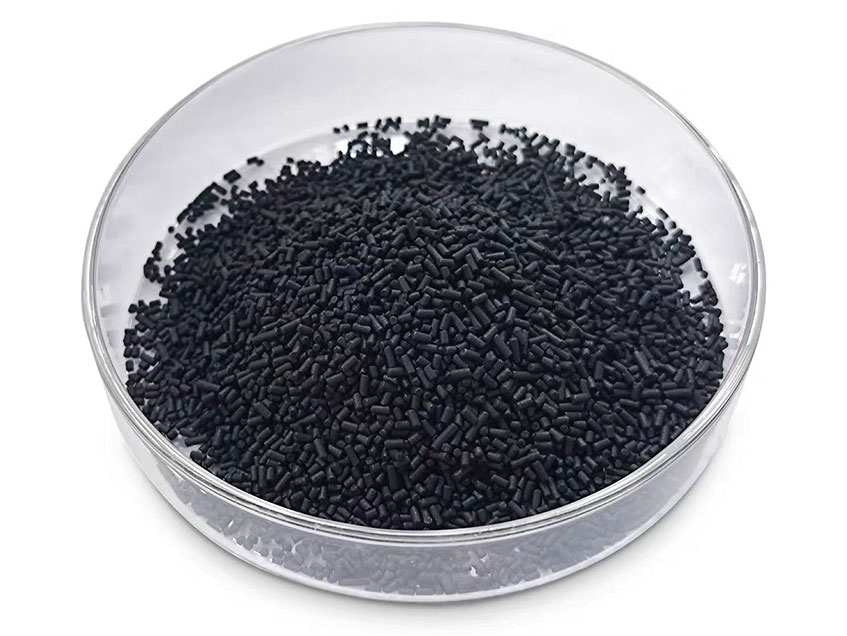
I. Adsorption Process: "Oxygen Capture" Under Pressure
Adsorption is the stage where carbon molecular sieves "capture" impurity gases and enrich nitrogen, with pressure as the core driving force. Industrial applications usually adopt a double-tower alternating mode to ensure continuous gas production, and the single-tower adsorption process can be divided into three steps:
1. Feed Pretreatment: Purifying the Air "Raw Material"
Air is not a pure substance; it contains impurities such as oil, water, and dust, which can clog the micropores of carbon molecular sieves and shorten their service life. Therefore, compressed air first passes through a pretreatment system — an oil remover to eliminate oil stains, a dryer to remove moisture, and a filter to intercept dust — finally obtaining clean and dry compressed air with pressure raised to 6-8 bar, ready for adsorption.
2. Selective Adsorption: Precise "Screening" of Oxygen and Nitrogen
After entering the adsorption tower, the clean compressed air, under pressure, allows small molecules such as oxygen, carbon dioxide, and residual water vapor to quickly diffuse into the micropores of the carbon molecular sieve and be firmly adsorbed on the pore walls. In contrast, nitrogen molecules, due to their slow diffusion rate and weak interaction with the micropores, are barely adsorbed. They flow upward along the bed layer and are finally discharged from the top of the tower as product nitrogen with a purity of 99.9%-99.999%, which is collected and stored.
3. Adsorption Saturation: The "Critical State" Before Switching
As adsorption proceeds, the micropores of the carbon molecular sieve are gradually filled with impurities such as oxygen molecules, and the adsorption capacity reaches saturation. This process usually takes only about 1 minute. At this time, the pressure inside the tower is maintained at the adsorption pressure, and the system automatically triggers a switching command to prepare for the next desorption and regeneration step.
II. Desorption Process: "Regeneration Ritual" After Depressurization
Desorption (also known as desorption) is a key step for carbon molecular sieves to release adsorbed impurities and restore adsorption capacity, with the core logic of "breaking the adsorption equilibrium by depressurization". Similarly, taking a single tower as an example, the desorption process is divided into four steps to ensure thorough regeneration:
1. Pressure Equalization and Depressurization: An Energy-Recycling "Transition Link"
The tower saturated with adsorption stops air intake and is briefly connected (for about 10-30 seconds) to another tower at the end of desorption with lower pressure to achieve pressure equalization. This step not only quickly reduces the pressure of the saturated tower but also recovers part of the pressure energy to boost the pressure of the other tower, balancing efficiency and energy conservation.
2. Desorption and Exhaust: The "Release Channel" for Impurities
After pressure equalization, the saturated tower is connected to the atmosphere through an exhaust valve, and the pressure drops sharply to near atmospheric pressure. At this point, the adsorption equilibrium inside the micropores of the carbon molecular sieve is broken, and the previously adsorbed impurities such as oxygen, carbon dioxide, and water vapor desorb from the pore walls and are discharged out of the tower with the air flow (the exhaust gas is mainly oxygen and can be directly emitted).
3. Flushing Enhancement: A "Key Step" for Deep Cleaning
To thoroughly remove residual impurities in the tower and avoid affecting the next adsorption effect, the system introduces 5%-15% of product nitrogen to backwash the adsorption tower. High-purity nitrogen can displace the residual oxygen-containing exhaust gas in the tower and further activate the adsorption activity of the carbon molecular sieve.
4. Pressure Boosting Preparation: Preparing for the Next Cycle
After flushing, the pressure of the desorbed tower is raised back to the adsorption pressure through re-pressure equalization or supplementary compressed air, completing the entire regeneration process. It then waits to switch with the other tower and enters the next adsorption cycle.
Any interestes or questions ,welcome to visit us at www.carbon-cms.com.
Applications of 4A Molecular Sieve in Eco-friendly Daily Chemicals
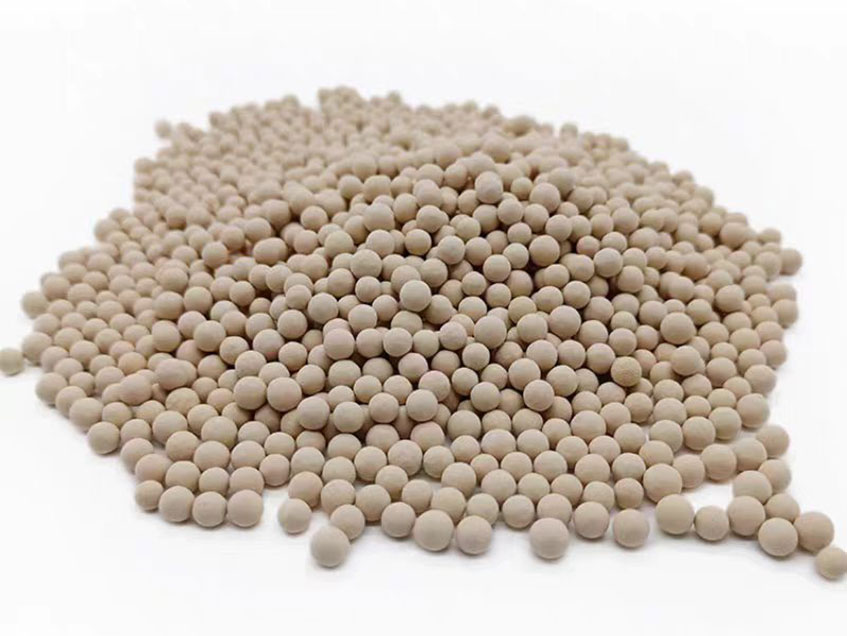
To enhance cleaning performance, manufacturers of traditional detergents typically add phosphate as a builder. Phosphate functions to soften water by preventing calcium and magnesium ions in water from combining with surfactants in detergents to form scale, thereby ensuring the soil-removing capacity of surfactants. However, phosphate has a fatal drawback: environmental pollution. When phosphate-containing detergent wastewater is discharged into rivers and lakes, it causes eutrophication, spawning massive algal blooms that deplete dissolved oxygen in water, leading to fish and shrimp mortality and disrupting the aquatic ecological balance. With the tightening of environmental policies, phosphate-free detergents have become the mainstream of industry development, and 4A molecular sieve has emerged as the optimal alternative to phosphate.
As a phosphate-free builder, the application of 4A molecular sieve in laundry powder and liquid detergent relies on the synergistic effect of its ion exchange and adsorption properties. On the one hand, it softens water through ion exchange to remove calcium and magnesium ions, avoiding scale formation and enabling surfactants in detergents to exert their soil-removing effect to the fullest, thus boosting cleaning performance—this effect is particularly pronounced in hard water areas. On the other hand, it can adsorb dirt particles and odor molecules in water, playing an auxiliary role in decontamination and deodorization. Meanwhile, it absorbs moisture in detergents to prevent caking of laundry powder, improving the fluidity and stability of the product.
Compared with phosphate, 4A molecular sieve boasts irreplaceable environmental advantages as a builder: it is non-toxic, harmless and non-corrosive, causing no irritation to human skin and no water pollution. After ion exchange, the 4A molecular sieve is ultimately discharged with detergent wastewater and degrades slowly in the natural environment without causing secondary pollution. In addition, 4A molecular sieve features relatively low cost and is compatible with large-scale industrial production, making it widely used in various daily chemical products such as laundry powder, liquid detergent and dish soap, and becoming a core raw material for phosphate-free daily chemicals.
Beyond daily chemical detergents, the ion exchange property of 4A molecular sieve also finds limited applications in the water treatment field. For example, it is used to remove calcium and magnesium ions in drinking water softening to improve the taste of drinking water; in industrial water softening, it is applied to the softening of boiler water and circulating water to prevent boiler scaling and pipeline corrosion, extending the service life of equipment. It should be noted, however, that 4A molecular sieve has a limited ion exchange capacity. In the water treatment field, it usually needs to be used in combination with other ion exchange resins to achieve better softening effects.
From industrial drying to daily chemical environmental protection, the 4A molecular sieve has broken industry boundaries with its versatile functions and emerged as an all-rounder that combines practicality with environmental friendliness.
Any interestes or questions ,welcome to visit us at www.carbon-cms.com.