Machining Thin-Wall Stainless Steel Components Without Deformation

Introduction

Thin-wall stainless steel components are widely used across modern industrial sectors, including instrumentation, fluid control systems, medical equipment, automation devices, food processing machinery, and semiconductor manufacturing. These components often require high dimensional accuracy while maintaining lightweight structures and complex geometries.


Despite their advantages, thin-wall stainless steel parts present some of the most challenging machining conditions in CNC manufacturing. Unlike thicker structural components, thin-wall parts are highly susceptible to deformation during machining. Even minor cutting forces, clamping pressure, or thermal expansion can lead to dimensional inaccuracies that make components unusable.


For manufacturers and equipment designers, controlling deformation is essential for achieving reliable product performance and reducing production costs. Understanding the factors that contribute to deformation and implementing effective machining strategies can significantly improve quality consistency and manufacturing efficiency.


Why Thin-Wall Components Are Difficult to Machine

The primary challenge of thin-wall machining is insufficient rigidity.


As wall thickness decreases, the structural strength of the workpiece becomes significantly lower. During machining, cutting forces generated by milling, turning, or drilling operations can cause the material to deflect away from the cutting tool.


Unlike solid components that can resist these forces, thin-wall structures behave more like flexible surfaces. Even a slight movement during machining can result in dimensional errors, uneven wall thickness, poor surface finish, or excessive vibration.


Stainless steel compounds these challenges due to its material characteristics. Grades such as 304 and 316 stainless steel exhibit strong work-hardening tendencies. As the cutting tool engages the material, localized hardening can increase cutting resistance, generating additional stress on already fragile thin-wall structures.


Thermal expansion is another concern. Stainless steel retains heat more readily than some other engineering metals. During prolonged machining operations, localized temperature increases can cause temporary distortion, making dimensional control more difficult.


Common Deformation Problems in Thin-Wall Stainless Steel Parts

Manufacturers frequently encounter several types of deformation when machining thin-wall components.


Wall bending is one of the most common issues. This occurs when cutting forces push unsupported walls away from the tool path, resulting in dimensional deviations after the part is released from fixturing.


Spring-back deformation can occur after machining is completed. Internal stresses generated during material removal may cause the part to change shape once clamping forces are removed.


Ovality is often observed in thin-wall cylindrical components such as sleeves, bushings, and instrument housings. Improper chuck pressure during turning operations can distort circular features into slightly elliptical shapes.


Surface chatter is another common issue. Thin walls are more prone to vibration during cutting, which creates visible tool marks and inconsistent surface finishes.


In severe cases, deformation may render the component unsuitable for assembly, resulting in costly scrap or rework.


Optimizing Material Removal Strategy

One of the most effective ways to reduce deformation is through strategic material removal planning.


Instead of removing large amounts of material from one side of a component, balanced machining strategies should be used whenever possible. Symmetrical material removal helps distribute internal stresses more evenly throughout the workpiece.


Rough machining and finish machining should also be separated into distinct operations. During roughing, the goal is efficient material removal while leaving sufficient stock for finishing. Allowing the part to stabilize before final machining can reduce residual stress effects.


For complex components, intermediate stress-relief processes may be introduced between machining stages. This is particularly useful for precision parts requiring extremely tight tolerances.


Modern CAM software allows engineers to simulate material removal sequences and identify potential deformation risks before production begins.


Importance of Proper Fixturing

Fixturing plays a critical role in thin-wall machining success.


Excessive clamping pressure can deform the workpiece before machining even begins. Once the component is released from the fixture, dimensional changes become immediately apparent.


To minimize this risk, custom fixtures are often designed to distribute clamping loads across larger surface areas. Soft jaws, vacuum fixtures, and dedicated support structures can help stabilize thin-wall components without introducing excessive stress.


For cylindrical parts, expanding mandrels are frequently preferred over traditional chucks because they provide more uniform support throughout the internal diameter.


In some applications, temporary support ribs may be left in place during machining and removed during final finishing operations. This approach increases rigidity while critical features are being machined.


Cutting Parameter Optimization

Cutting parameters have a direct influence on deformation levels.


Aggressive feed rates and excessive depth of cut increase cutting forces, making thin-wall structures more likely to deflect. Although reducing cutting forces may slightly increase cycle time, the improvement in dimensional accuracy often justifies the adjustment.


Tool sharpness is equally important. Dull cutting tools generate more heat and require higher cutting forces. Maintaining proper tool condition helps ensure smooth material removal and reduces stress on the workpiece.


High-speed machining strategies are frequently used for thin-wall stainless steel components because they allow smaller cutting engagements while maintaining productive material removal rates.


Consistent chip evacuation also contributes to stability. Accumulated chips can interfere with cutting operations and cause surface damage or dimensional variation.


Managing Heat Generation

Thermal control is essential when machining thin-wall stainless steel parts.


Heat generated during cutting can temporarily distort thin sections, affecting dimensional accuracy. Once the component cools, dimensions may change again, creating measurement inconsistencies.


Modern machining centers utilize high-pressure coolant systems to maintain stable cutting temperatures. Coolant not only reduces heat but also improves tool life and chip evacuation efficiency.


For critical tolerance applications, manufacturers may monitor workpiece temperature throughout the machining process. In some cases, finishing operations are performed after the component has returned to ambient temperature to ensure measurement accuracy.


Maintaining thermal stability becomes increasingly important as wall thickness decreases and dimensional requirements become more demanding.


Real Manufacturing Example

A recent project at Shengtao Metal involved the production of precision 316L stainless steel sensor housings for process automation equipment.


The component featured wall thicknesses ranging from 1.2 mm to 1.8 mm while maintaining strict dimensional requirements for sensor alignment and sealing performance.


Initial production trials revealed minor wall distortion during internal boring operations. Engineering analysis identified a combination of excessive chuck pressure and aggressive finishing parameters as the primary causes.


To address the issue, custom soft jaws were introduced along with revised machining sequences that balanced material removal more effectively. Cutting parameters were optimized, and additional support features were incorporated during intermediate machining stages.


As a result, dimensional consistency improved by over 30%, while overall rejection rates were reduced significantly. The customer achieved stable assembly performance and reduced quality control costs during final equipment production.


Long-Term Benefits of Deformation Control

Successfully controlling deformation delivers benefits beyond dimensional accuracy.


Higher machining consistency reduces scrap rates and minimizes rework requirements. Improved process stability leads to more predictable production schedules and lower manufacturing costs.


Customers benefit from better component interchangeability, simplified assembly operations, and improved product reliability. In industries where precision and repeatability are critical, these advantages directly contribute to stronger operational performance.


As industrial equipment becomes increasingly compact and sophisticated, demand for precision thin-wall stainless steel components will continue to grow. Manufacturers capable of controlling deformation effectively will be better positioned to support advanced engineering applications.


Conclusion

Machining thin-wall stainless steel components presents unique challenges that require specialized engineering knowledge and manufacturing expertise. Material characteristics, cutting forces, fixturing methods, heat generation, and machining strategies all play important roles in determining final part quality.


By optimizing material removal processes, implementing proper fixturing solutions, controlling cutting parameters, and managing thermal effects, manufacturers can significantly reduce deformation risks and achieve consistent production results.


For industrial buyers seeking high-precision stainless steel components, selecting a manufacturing partner with proven experience in thin-wall machining is essential for ensuring quality, reliability, and long-term project success.


Contact Shengtao Metal for Steel Product Solutions

If you are looking for reliable steel and metal product solutions, feel free to send us your inquiry.

Simply provide your specifications such as material grade, dimensions, quantity or application, and our team will respond quickly with professional support and a competitive quotation.

Email: stsalesman4@stmetal001.com
Top

The Role of Tool Path Optimization in Reducing CNC Stainless Steel Machining Costs

Introduction

In CNC machining, most people focus on materials, machines, or cutting tools—but one of the most powerful cost drivers is often invisible: the tool path.


Tool path refers to the exact movement route a CNC machine follows during cutting operations. For stainless steel components, where machining resistance is high and tool wear is significant, inefficient tool paths can dramatically increase cycle time, tool consumption, and overall production cost.


Tool path optimization is therefore not just a programming improvement—it is a direct cost reduction strategy that impacts productivity, energy consumption, tool life, and final part quality.


What Tool Path Optimization Really Means

Tool path optimization is the process of refining CNC programming routes to ensure that every cutting movement is efficient, stable, and necessary.


A poorly optimized tool path may include:

  • Excessive air cutting (non-cutting movement)
  • Unnecessary direction changes
  • Overlapping machining passes
  • Redundant tool re-entry points
  • Inefficient roughing and finishing separation


In stainless steel machining, these inefficiencies become even more costly because the material is harder, tool wear is faster, and heat buildup is more severe.


A well-optimized tool path reduces machining time while maintaining precision and surface quality.


Why Stainless Steel Requires Special Tool Path Strategy

Stainless steel is not a forgiving material. Its machining characteristics include work hardening, high cutting resistance, and heat retention. These properties make tool path strategy especially important.


If the tool path is not optimized, the tool may repeatedly cut hardened material, increasing wear and reducing tool life. This leads to inconsistent dimensions and higher replacement costs.


Heat concentration is another issue. Poor tool paths can trap heat in localized areas, causing thermal deformation of both the tool and workpiece. This directly affects dimensional accuracy.


Chip evacuation is also critical. Stainless steel produces long, tough chips that can interfere with cutting if not properly managed through tool path design.


For these reasons, tool path optimization is a core engineering requirement rather than a programming luxury.


Roughing Strategy Optimization for Cost Reduction

Roughing is the first stage of material removal and has the highest impact on cycle time. Optimizing roughing tool paths can significantly reduce machining cost.


Modern strategies include adaptive clearing and high-efficiency milling paths that maintain constant tool engagement. This prevents sudden load spikes that damage tools or slow down machining.


Instead of traditional straight-line passes, optimized roughing uses dynamic paths that adjust cutting depth and direction based on material resistance.


This results in:

  • Faster material removal rates
  • Reduced tool stress
  • Lower energy consumption
  • More stable machining conditions


In stainless steel machining, these improvements can reduce roughing time by 20–40% depending on part geometry.


Finishing Path Optimization and Surface Stability

Finishing operations require a different approach. While roughing focuses on speed, finishing focuses on stability and surface consistency.


Optimized finishing tool paths minimize vibration and ensure consistent tool contact with the surface. This is especially important for stainless steel parts that require tight surface roughness control.


Continuous contour paths are preferred over segmented or interrupted passes. This reduces tool marks and improves dimensional accuracy.


Reducing tool retraction and re-entry points also helps maintain uniform surface finish, especially on sealing surfaces and precision mating features.


Reducing Air Cutting and Idle Movement

One of the biggest hidden costs in CNC machining is air cutting—tool movement without actual material removal.


In poorly optimized programs, machines may spend a significant portion of cycle time moving between cutting zones unnecessarily.


By optimizing tool entry points, sequencing operations intelligently, and minimizing unnecessary repositioning, air cutting time can be significantly reduced.


For stainless steel parts with multiple features, this optimization alone can reduce total cycle time by 10–25%.


Multi-Axis Tool Path Efficiency

For complex stainless steel components such as manifolds, pump housings, and structural brackets, multi-axis CNC machining plays a major role in efficiency.


However, without proper tool path planning, multi-axis machines can become inefficient due to excessive rotation, repositioning, or collision avoidance delays.


Optimized multi-axis tool paths allow the tool to approach the workpiece at ideal angles, reducing the need for multiple setups. This improves both accuracy and production speed.


It also reduces fixture complexity, which lowers overall production cost and improves repeatability across batches.


Impact on Tool Life and Production Cost

Tool path optimization directly affects tool wear. Stainless steel machining is already tool-intensive, and inefficient paths accelerate tool degradation.


Stable tool engagement reduces sudden load changes, preventing chipping and premature failure of cutting inserts. This extends tool life and reduces tooling cost per part.


In large production runs, even a small improvement in tool life can lead to significant cost savings.


Additionally, fewer tool changes reduce machine downtime, increasing overall production efficiency.


Case Insight: Cycle Time Reduction in Stainless Steel Flange Production

In a stainless steel flange production project for an industrial fluid system manufacturer, Shengtao Metal implemented tool path optimization across CNC milling operations.


The original machining program included multiple unnecessary tool retractions and inefficient roughing patterns.


After optimization, improvements included:

  • Reduced air cutting by restructuring operation sequence
  • Applied adaptive roughing tool paths
  • Optimized finishing passes for sealing surfaces
  • Reduced tool change frequency through consolidated operations


Results achieved:

  • Cycle time reduced by 28%
  • Tool wear reduced by 18%
  • Production consistency improved significantly
  • Per-unit machining cost reduced by 14%


The customer was able to scale production without increasing machine capacity, directly improving profitability.


Tool Path Optimization and Lean Manufacturing

Tool path optimization is closely aligned with lean manufacturing principles. Both aim to eliminate waste—whether in time, motion, material, or energy.


In CNC machining, waste is often hidden in inefficient motion. Optimizing tool paths removes this waste without requiring additional machines or labor.


This makes it one of the most cost-effective improvements in stainless steel manufacturing, especially for high-volume production.


Conclusion

Tool path optimization is one of the most powerful but often overlooked factors in CNC stainless steel machining cost control.


By reducing air cutting, improving roughing efficiency, stabilizing finishing passes, and enhancing multi-axis coordination, manufacturers can significantly reduce cycle time, extend tool life, and improve machining consistency.


For industrial buyers, these improvements translate into lower per-unit cost, faster delivery, and more stable production quality.


In modern CNC manufacturing, efficiency is no longer determined only by machines or tools—but by how intelligently those tools move.


Contact Shengtao Metal for Steel Product Solutions

If you are looking for reliable steel and metal product solutions, feel free to send us your inquiry.

Simply provide your specifications such as material grade, dimensions, quantity or application, and our team will respond quickly with professional support and a competitive quotation.

Email: stsalesman4@stmetal001.com
Top

A Versatile Solution for All Your Adhesive Needs

 A Versatile Solution for All Your Adhesive Needs


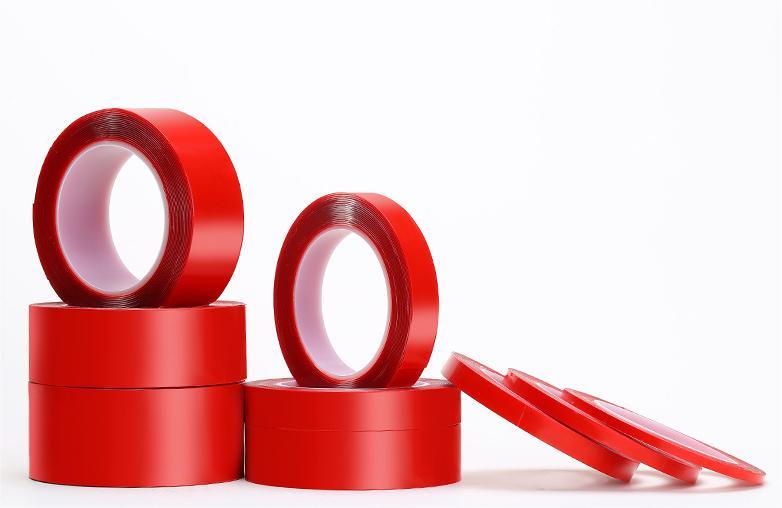
In today's industrial and home applications, choosing the right adhesive is crucial. Acrylic foam tape is a highly reliable choice, widely favored for its excellent performance and versatility.


What is Acrylic Foam Tape?

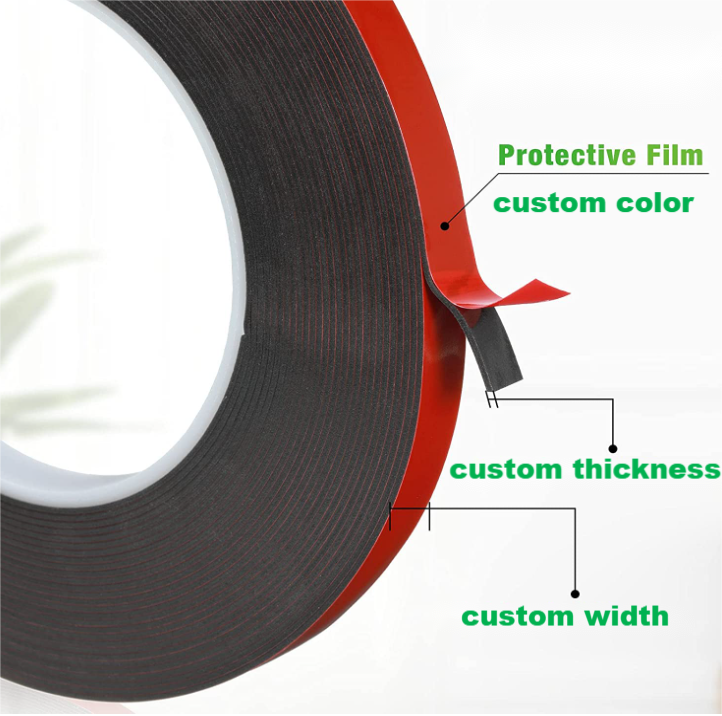
Acrylic Foam Tape is a double-sided tape made from acrylic foam material, known for its superior bonding capabilities. Its thickness and flexibility make it suitable for various surfaces, providing outstanding adhesion on smooth metals, plastics, and rough wood.


Key Advantages

  1. Strong Adhesion: Acrylic foam tape maintains its bonding performance under extreme temperatures and humidity, suitable for both indoor and outdoor environments. This makes it a great option for high strength acrylic tape applications.

  2. Weather Resistance: This tape boasts excellent UV and chemical resistance, ensuring it won't degrade in various conditions.

  3. Shock and Sound Absorption: The foam structure effectively absorbs vibrations and sound, making it ideal for applications in the automotive and construction industries.

  4. Easy to Use: No specialized tools are required; simply peel and apply for quick and convenient use.


Applications

Acrylic Foam Tape is widely used in multiple industries, including:

  • Automotive: For sealing and bonding windows, doors, and other components.
  • Construction: Used in the installation and insulation of walls and windows.
  • Electronics: For securing and insulating components, ensuring circuit stability.
  • Home Goods: Ideal for wall decoration and furniture bonding.

Acrylic Foam Tape

Choosing Acrylic foam tape not only enhances work efficiency but also ensures product quality and durability. Whether you are a business user or a DIY enthusiast, Acrylic foam tape is an ideal adhesive solution.


Visit our website now to learn more about Acrylic foam tape and get a quote for your custom needs!

Top

Dcover the Versatility of Polyethylene (PE) Foam Tape

Dcover the Versatility of Polyethylene (PE) Foam Tape


What is Polyethylene (PE) Foam Tape?

Polyethylene (PE) Foam Tape is a durable and flexible adhesive tape made from closed-cell polyethylene foam. It offers excellent cushioning, insulation, and sealing properties, making it ideal for a wide range of applications in various industries.


Key Benefits of PE Foam Tape

  1. Excellent Adhesion: The strong adhesive ensures a secure bond on various surfaces, including metal, plastic, and glass.
  2. Weather Resistance: PE Foam Tape is resistant to moisture, UV rays, and extreme temperatures, making it suitable for both indoor and outdoor use.
  3. Sound and Vibration Dampening: Its cushioning properties help reduce noise and vibration, enhancing comfort in applications like automotive and construction.
  4. Easy to Cut and Apply: The tape can be easily cut to desired lengths and applied without the need for special tools.


Applications of PE Foam Tape

  • Automotive Industry: Used for bonding trim, weather stripping, and soundproofing.
  • Construction: Ideal for sealing windows, doors, and insulating panels.
  • Electronics: Provides cushioning and protection for delicate components.
  • General Manufacturing: Perfect for packaging and assembly processes.


Why Choose Our PE Foam Tape?

Our PE Foam Tape is manufactured to the highest standards, ensuring quality and reliability. Whether you need a small roll for a DIY project or bulk quantities for industrial use, we have the right solution for you. Additionally, our double sided foam tape provides an extra layer of versatility, making it perfect for applications requiring double-sided adhesion.


Polyethylene (PE) Foam Tape is a versatile solution for many applications, providing durability, flexibility, and ease of use. Explore our range of PE Foam Tape today and discover how it can enhance your projects!

Double Sided EVA Foam Tape

Top

Discover the Benefits of Silicone Foam

Discover the Benefits of Silicone Foam


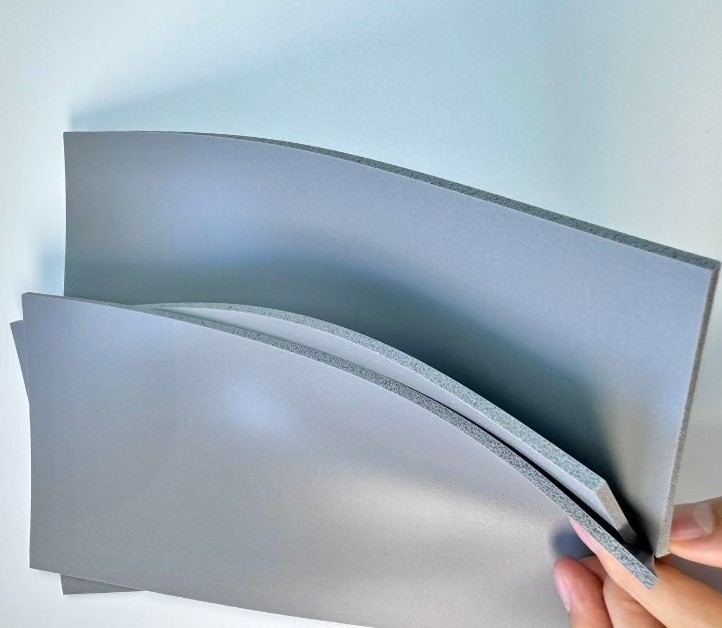
Silicone foam is rapidly becoming a preferred choice in various industries due to its unique properties and versatile applications. This high-performance material offers several advantages, making it ideal for a range of uses.


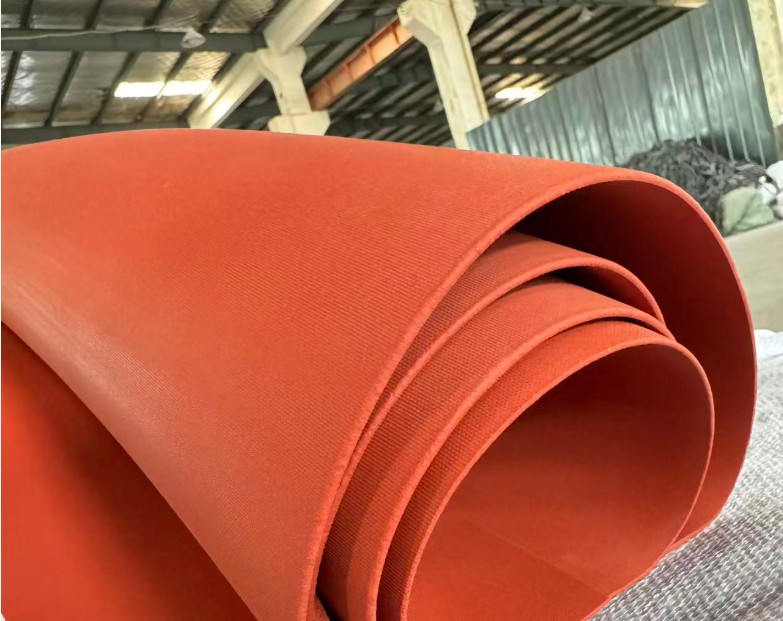
Fireproof Silicone Foam

One of the standout features of silicone foam is its excellent fireproof capabilities. This material can withstand high temperatures without compromising its integrity, making it a safe choice for applications where fire resistance is crucial. Whether used in construction, automotive, or aerospace industries, fireproof silicone foam provides peace of mind and enhances safety.


Customer Higher Density Silicone Foam

Another significant benefit is the availability of customer higher density silicone foam. This customization allows businesses to tailor the foam's density to meet specific needs, ensuring optimal performance for various applications. Higher density silicone foam offers increased durability and support, making it suitable for demanding environments where other materials may fail.


High Temperature Resistant Silicone Foam

Additionally, high temperature resistant silicone foam is a game changer in industries that require materials capable of enduring extreme heat. This type of foam maintains its performance characteristics even under intense conditions, ensuring longevity and reliability. Whether in machinery, electronics, or insulation, high temperature resistant silicone foam is engineered to withstand the challenges of high-heat environments.


In summary, silicone foam stands out for its fireproof properties, customizable density options, and high temperature resistance. If you’re looking for a versatile, durable, and safe solution for your applications, consider integrating silicone foam into your product line.

Top

Double Sided Acrylic Foam Tape The Ultimate Bonding Solution for Industrial Applications

Double sided acrylic foam tape has become an essential bonding solution across a wide range of industries. Known for its exceptional strength and durability, this tape provides a reliable alternative to traditional fastening methods such as screws, rivets, and welding.


One of the key advantages of acrylic foam tape is its high bonding strength. It can adhere to various surfaces including metal, glass, plastic, and painted materials. The viscoelastic properties of acrylic foam allow it to absorb stress and distribute load evenly, ensuring long-lasting performance even in demanding environments.


In addition, double sided acrylic foam tape offers excellent resistance to temperature, UV exposure, moisture, and chemicals. This makes it particularly suitable for outdoor applications and industries such as automotive, construction, and signage.


Another important benefit is its ability to improve production efficiency. By eliminating the need for mechanical fasteners, manufacturers can achieve cleaner designs, reduce assembly time, and lower overall costs.


Common applications include:

  • Automotive trim and emblem mounting
  • Curtain wall and glass bonding
  • Electronic component assembly
  • Signage and display installation

As industries continue to demand stronger, lighter, and more efficient bonding solutions, double sided acrylic foam tape is rapidly becoming the preferred choice worldwide.


Welcome to get in touch with us:Dongguan Gmark New Material Technology Co., Ltd.

Top

Good news

Gmark New Material Technology Co., Ltd. has a new independent station, we hope this independent station can better meet the needs of customers.

We focus on 15 years of tape quality production, the main production: Acrylic VHB tape, PE foam tape, Poron foam and silicone foam, BOPP packaging tape, OCA optical tape, high temperature tape, electrical tape and so on.

I hope you can purchase as much as you like and contact our account manager at any time.

Top

How to remove the nano double-sided tape

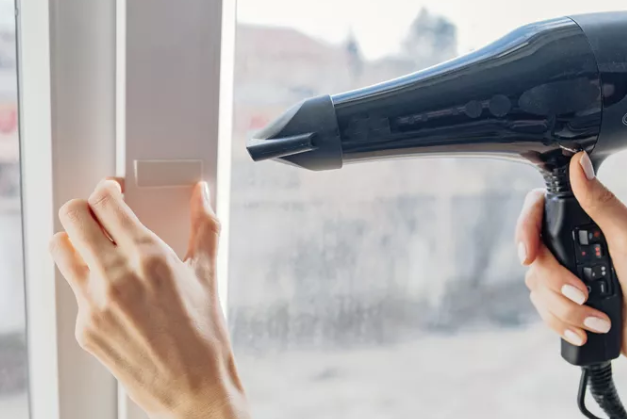
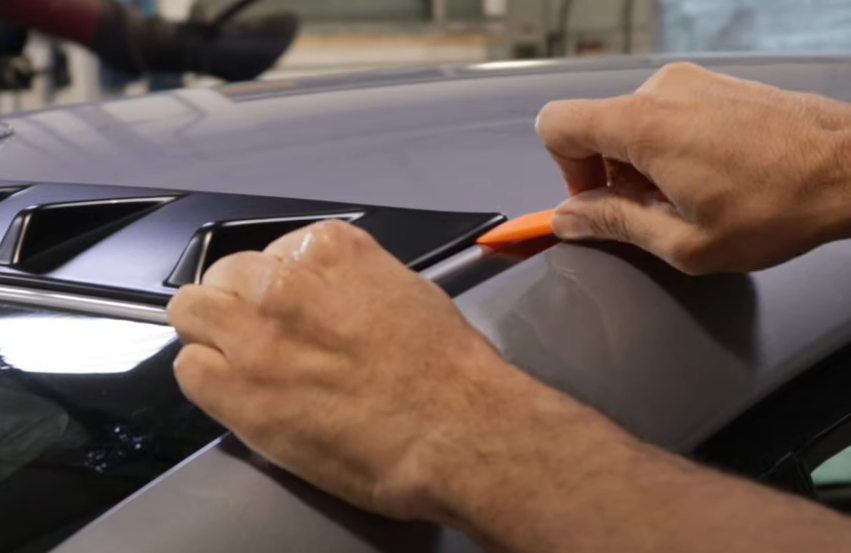
1.Use a hair dryer. Plug the hair dryer into a nearby power outlet, and use the high temperature setting to blow directly on the double-sided tape for a few minutes. Then remove the double-sided tape by hand or with a putty knife.


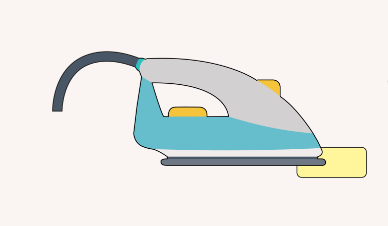
2. You can also use a steamer or an electric iron to heat the double-sided tape, because the water vapor will help melt the adhesive.


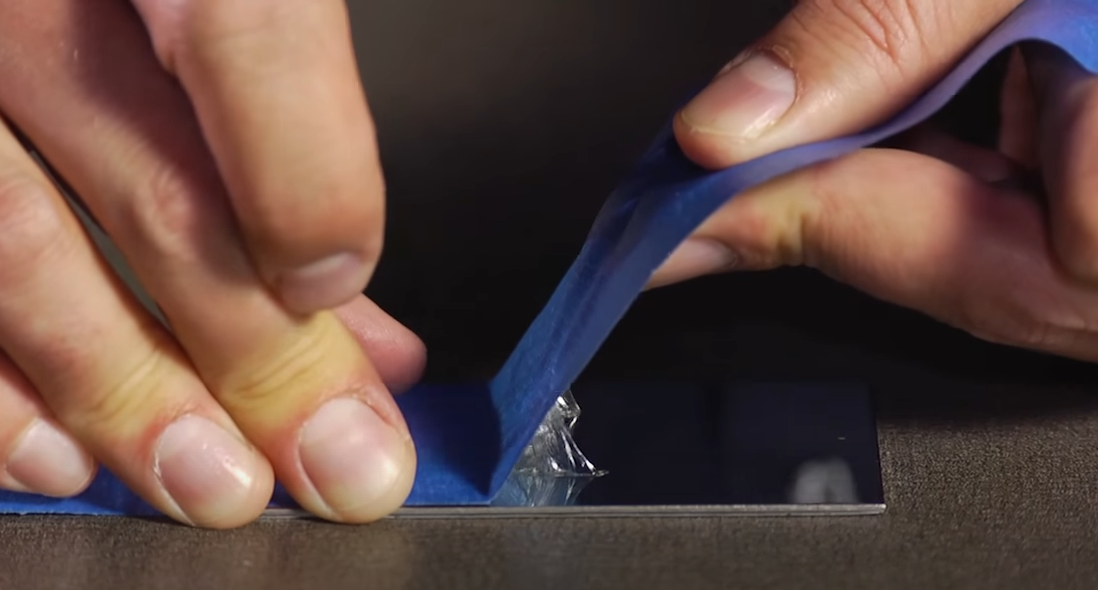
3. Use masking tape. Heat the double-sided tape with a hair dryer, and place a strip of masking tape over it (hold on to the corner of the masking tape). Peel the masking tape off the wall, if you're lucky, this will help you remove the double-sided tape. You may need to repeat the procedure several times (with a new piece of masking tape each time) to completely remove the double-sided tape.


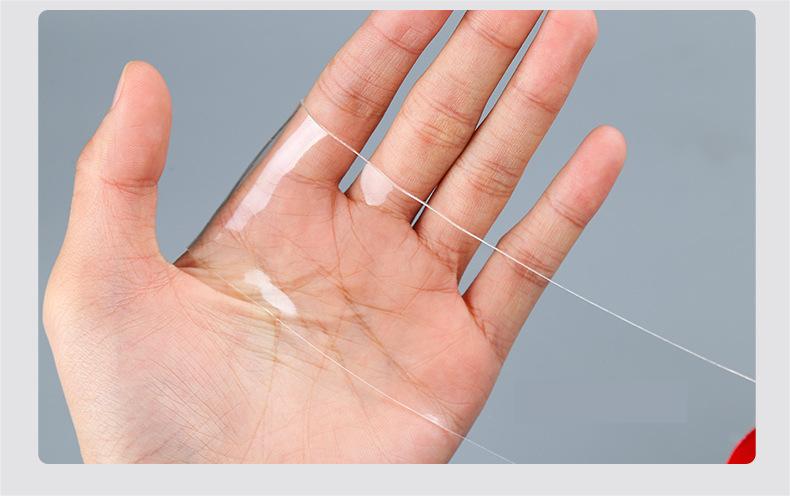
4. Use fishing line or dental floss. This method works best with double-sided sponge tape, which sticks more tightly than regular tape. Using both hands, pull a length of fishing line or dental floss taut, placing the line over the tape first, then pulling the line behind the wall so that it is snug against the wall. This method should remove most of the tape from the wall. After that, use a small amount of soapy water or WD40 residual tape to remove.


Top

Silicone Foam The Ultimate Guide to High-Performance Sealing, Cushioning, and Thermal Protection

Silicone foam is a versatile and high-performance material widely used across industries such as electronics, automotive, construction, medical devices, and renewable energy. Thanks to its excellent temperature resistance, sealing capability, cushioning performance, and durability, silicone foam has become the preferred solution for demanding applications where traditional rubber or foam materials may fail.


Part 1: What Is Silicone Foam and Why Is It Unique?

Silicone foam is a lightweight, cellular material produced from silicone rubber. During manufacturing, air bubbles are evenly distributed throughout the silicone structure, creating a flexible and compressible material with excellent sealing and insulation properties.

Unlike conventional foams, silicone foam maintains its performance under extreme temperatures, UV exposure, ozone, moisture, and harsh environmental conditions.

Key Features of Silicone Foam

  • Excellent temperature resistance (-60°C to 230°C)
  • Superior weather and UV resistance
  • Low compression set
  • Flame-retardant options available
  • Excellent sealing and cushioning performance
  • Electrically insulating properties
  • Long service life


FAQ 1: What is silicone foam made of?

Silicone foam is made from silicone elastomers that are expanded during manufacturing to create a closed-cell or open-cell foam structure.


FAQ 2: What is the difference between silicone foam and silicone sponge?

Silicone foam generally has a lower density and finer cell structure, while silicone sponge tends to be softer and more compressible. Both offer excellent sealing performance but serve slightly different applications.


FAQ 3: Is silicone foam waterproof?

Closed-cell silicone foam provides excellent resistance to water, moisture, and environmental contaminants, making it suitable for outdoor applications.


Part 2: Common Applications of Silicone Foam

Silicone foam is used in a wide range of industries due to its unique combination of flexibility and durability.


Electronics Industry

Electronic devices generate heat and require protection against dust, moisture, and vibration. Silicone foam gaskets and pads help create reliable seals while providing thermal insulation.

Applications include:

  • Battery packs
  • LED lighting systems
  • Power supplies
  • Telecommunications equipment
  • Consumer electronics


Automotive Industry

Modern vehicles require materials capable of handling heat, vibration, and environmental exposure. Silicone foam is frequently used in:

  • EV battery systems
  • HVAC sealing
  • Lighting assemblies
  • Engine compartment seals
  • Noise and vibration reduction


Medical and Healthcare Applications

Medical-grade silicone foam is valued for its biocompatibility and reliability.

Typical applications include:

  • Medical equipment seals
  • Diagnostic devices
  • Healthcare cushioning components
  • Wearable medical devices


FAQ 4: Can silicone foam withstand high temperatures?

Yes. Silicone foam can continuously operate at temperatures ranging from -60°C to 230°C, making it ideal for high-temperature environments.


FAQ 5: Is silicone foam suitable for electrical insulation?

Yes. Silicone foam offers excellent dielectric properties and is commonly used in electrical and electronic applications.


FAQ 6: Why is silicone foam used in electric vehicles?

Silicone foam helps provide thermal management, environmental sealing, vibration damping, and fire protection for EV battery packs.


FAQ 7: Does silicone foam resist UV and ozone exposure?

Absolutely. One of silicone foam's biggest advantages is its exceptional resistance to UV radiation, ozone, and weathering.


FAQ 8: Is silicone foam safe for medical applications?

Medical-grade silicone foam can meet strict healthcare standards and is widely used in medical devices and equipment.


Part 3: How to Choose the Right Silicone Foam

Selecting the correct silicone foam depends on your specific application requirements.


Key Factors to Consider

Density

Higher-density materials provide stronger support and durability, while lower-density options offer greater flexibility and compression.


Compression Force Deflection (CFD)

CFD measures how much force is required to compress the material. Choosing the right CFD ensures optimal sealing performance.


Flame Resistance

Many silicone foams are available with UL94 flame-retardant ratings for applications requiring enhanced fire safety.


Thickness and Dimensions

Silicone foam can be supplied in rolls, sheets, strips, die-cut parts, and custom gaskets.


FAQ 9: How long does silicone foam last?

Silicone foam typically offers a service life of 10 to 20 years or more, depending on environmental conditions and application requirements.


FAQ 10: How do I choose the right silicone foam for my project?

Consider factors such as temperature range, sealing requirements, compression characteristics, flame resistance, environmental exposure, and industry standards. Working with an experienced manufacturer can help ensure the best material selection.


Conclusion

Silicone foam is one of the most reliable materials available for sealing, cushioning, thermal insulation, and environmental protection. Its ability to perform under extreme temperatures, resist UV and weather exposure, and maintain long-term durability makes high temperature corrosion resistant foam an excellent choice across numerous industries.


Whether you're designing EV battery systems, electronic enclosures, medical equipment, or industrial machinery, silicone foam provides a dependable solution that enhances product performance and longevity.


As industries continue to demand higher-performance materials, silicone foam remains a leading choice for engineers, designers, and manufacturers worldwide.


Partner with GMARK for Your Silicone Foam Needs

Choosing the right silicone foam material is essential for ensuring long-term product performance and reliability. With years of experience in adhesive and foam material manufacturing, GMARK helps customers worldwide find the right sealing and cushioning solutions for their projects.

Whether you need silicone foam sheets, rolls, gasket materials, or custom die-cut components, the GMARK team is ready to assist.

Contact GMARK today to discuss your silicone foam application and request a sample for testing.

Top

The difference between acrylic foam tape and PE foam tape

The difference between acrylic foam tape and PE foam tape mainly includes the following aspects: different materials, colors, thicknesses, release papers, types, and application scenarios.


Material difference:

Acrylic foam tape is made of solvent-based acrylic foam and laminated with paper release liner or film release liner.

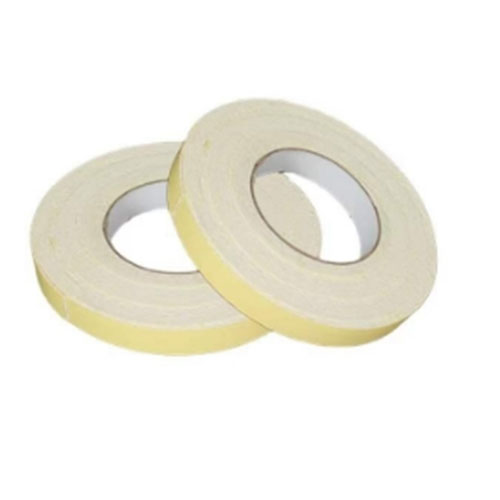
However, PE foam tape is backed with PE foam, coated with strong solvent acrylic adhesive on both sides, and then uses PE plastic release film, or yellow and white silicone paper or glassine silicone paper as the release paper liner.

Color difference:

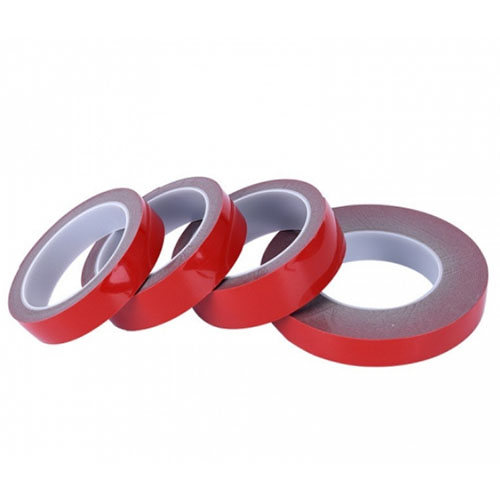
Acrylic foam tape colors are: white, gray, transparent and black, etc.

PE foam tape colors are: black, white and gray, color, etc.

Difference in thickness:

Acrylic foam tape thickness: mainly 0.25mm, 0.5mm, 0.8mm, 1.0mm, 1.2mm, 1.5mm, 2.0mm

PE foam tape thickness: mainly 0.5mm, 0.8mm, 1.0mm, 1.5mm, 2.0mm, 3.0mm

We also have more specifications and thicknesses to choose from, suitable for your industry to make recommendations for customers.

Release film is different:

Acrylic foam tape usually uses different colors of release film, or white release paper, PET transparent release film

The PE foam tape liner can be red/green/blue release film; white/yellow paper or glassine paper.

Different types:

Acrylic foam tape

Pe foam tape is divided into ordinary density PE foam 50kg/m3, medium density foam 67kg/m3, and high density PE foam tape 100kg/m3, and also has ultra-thin PE foam waterproof tape.

Different application scenarios:

Acrylic foam tapes are designed to provide very high bond strength in a variety of base material, construction industry: For glass curtain wall, it can provide more convenient, faster and simpler operation in assembly, and has good bonding ability and sealing, as well as various needs of building construction, such as heat insulation , bonding, repairing, expressing, etc., are widely used. Home appliance industry: For household appliances such as refrigerators, air conditioners, washing machines, etc., let them have the effects of sealing, shock absorption, bonding, and fixing. Automotive industry: VHB acrylic also shines in the automotive industry and is used in different parts. It is an indispensable auxiliary material for automobile manufacturing and decoration.

PE foam tape can be used in automotive, electrical/electronic products.Mainly used for car trim strips, front trim strips, rear trim strips, door sill strips, corner bumper strips, rear guards, stainless steel fuel tank trim covers, pedals, door handles, wheel arcs, baffles, plate brake lights, It is used for pasting and fixing of automobile and motorcycle signs, metal trim panels, auto parts, safety glass, etc.

Top