Every home holds a silent workhorse: the aerosol can. From air fresheners to cooking sprays, these pressurized systems combine can, propellant, and valve in precise unison. When it comes to household aerosol packaging, the choice of spray can solution directly impacts performance, safety, and user satisfaction. SiHai stands out in this arena, offering robust, leak-resistant cans engineered for consistent spray patterns and long shelf life. Whether you need a fine mist for cleaning products or a powerful stream for insect repellents, SiHai’s precision valves and corrosion-resistant liners ensure every actuation delivers exactly what your formula demands—while meeting rigorous safety standards for everyday home use.
Key Takeaways
- Match your product's viscosity, spray pattern, and chemical compatibility to the right can, propellant, and valve.
- Choose aluminum for corrosion resistance and lighter weight, or steel for higher pressure tolerance and lower cost.
- Prioritize safety and compliance by selecting certified packaging with child-resistant caps and pressure relief mechanisms.
Why Aerosol Packaging Matters
You might not think twice about the can in your hand, yet its design determines everything from spray quality to product longevity. Household aerosol packaging transforms liquid formulations into controlled, repeatable delivery systems. This technology matters because it directly influences how well your product performs in real-world conditions.
Precision and Consistency
Aerosol systems deliver a uniform dose with every actuation. The pressurized environment maintains constant internal pressure, so each spray releases the same amount of product. You never experience a weak first spray or a sputtering finish. This consistency proves critical for products like disinfectants or stain removers, where accurate coverage directly impacts effectiveness. The valve design controls flow rate precisely, giving you predictable results from the first press to the last.
Product Protection and Shelf Life
The sealed, pressurized container protects your formulation from external contaminants. Oxygen and moisture cannot enter, preventing oxidation and microbial growth. This barrier extends shelf life significantly compared to open containers. Active ingredients remain stable for years, not months. For products containing volatile compounds or sensitive enzymes, this protection preserves potency until the final use. You gain confidence that your product works as intended, even after prolonged storage.
User Convenience and Control
Aerosol packaging offers unmatched ease of use. You press a button and receive an immediate, targeted application—no measuring, pouring, or mixing required. The actuator nozzle lets you direct the spray precisely, reaching tight spaces or covering broad areas as needed. This control reduces waste and improves efficiency. For household tasks, this convenience translates to faster cleaning, easier application, and less product consumption. You achieve professional-grade results without specialized equipment or training.
Know Your Product First
Before you select any component, you must understand your formulation completely. Your product's physical and chemical properties dictate every packaging decision. This knowledge prevents costly mistakes and ensures optimal performance.
Viscosity and Formulation
Viscosity measures how thick or thin your liquid is. Thin liquids like air fresheners flow easily through standard valves. Thick gels, such as hand sanitizers or cooking oils, require specialized systems. Your formulation's viscosity directly determines the propellant type and valve orifice size you need. For example, solvent-based paints use propane because its high vapor pressure (8.4 bar) pushes viscous resins through the nozzle. Water-based household sprays work better with DME, which operates at lower pressure (5.2 bar) and dissolves readily in aqueous solutions.
Desired Spray Pattern
Your product's intended use defines the spray pattern. A fine mist suits fabric fresheners or disinfectants. A narrow stream targets cracks and crevices for insect repellents. A foam application works best for shaving cream or oven cleaners. The actuator nozzle design controls this pattern. Continuous spray valves with fixed orifices deliver consistent particle sizes for deodorants and paints. Metered-dose valves release exact micro-liter amounts for pharmaceutical applications. Bag-on-valve systems isolate your product from the propellant, making them ideal for food oils and antiseptics.
Chemical Compatibility
Your formulation's chemistry determines which materials can touch it safely. Corrosive ingredients like bleach or acidic cleaners require lined containers. The internal lining prevents chemical reactions that could degrade your product or damage the can. Pressure ratings also matter. LPG systems operate between 2 and 8 bar, while nitrogen systems reach 6 to 12 bar. Your container must withstand the maximum pressure your propellant generates. Household aerosol packaging demands this careful matching of chemistry to materials. A mismatch leads to corrosion, leakage, or even container failure.
Understanding these three factors—viscosity, spray pattern, and chemical compatibility—creates the foundation for every subsequent packaging decision. You cannot choose a can, propellant, or valve without this knowledge.
Selecting the Right Can Material
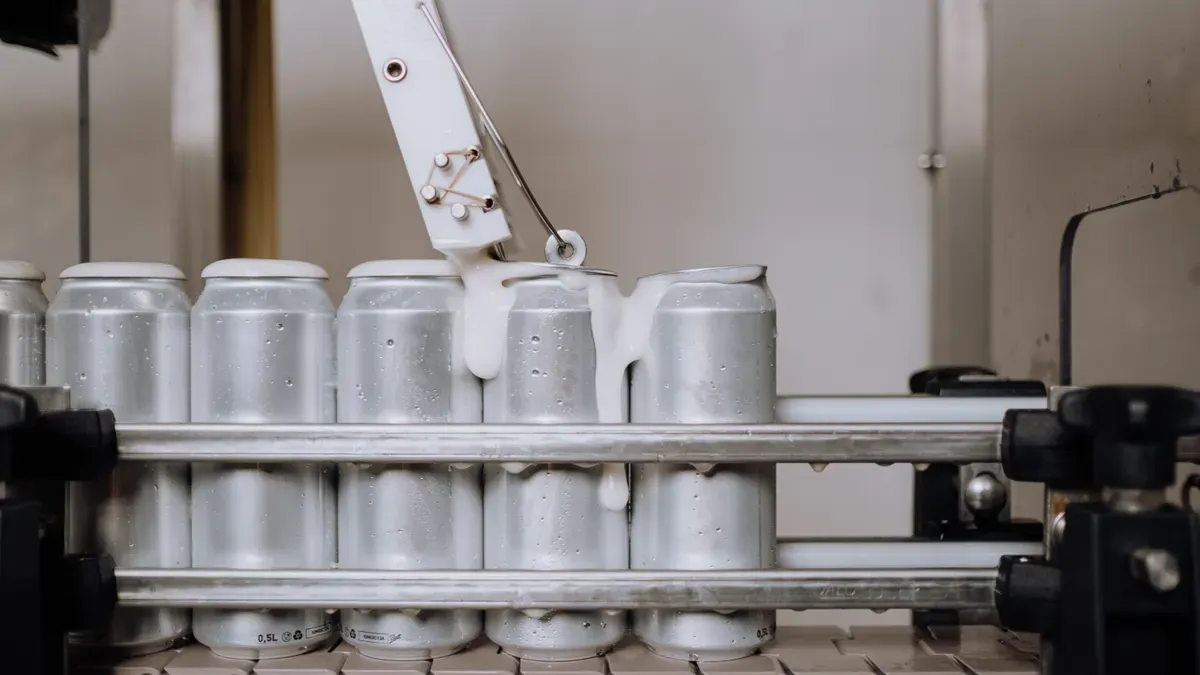
Your choice of can material determines the structural integrity, cost, and environmental footprint of your product. Two primary options dominate the market: aluminum and tinplate steel. Each material brings distinct mechanical properties and economic considerations to your household aerosol packaging project. Understanding these differences helps you match the container to your formulation's specific demands.
Aluminum vs. Tinplate Steel
Aluminum cans emerge from a seamless impact extrusion process. This manufacturing method produces a single-piece container with no welded seams or joints. The absence of seams reduces potential leak points significantly. Aluminum naturally forms a passivating oxide layer on its surface, offering inherent corrosion resistance. However, this material costs more per unit and requires precise wall thickness control to maintain pressure tolerance.
Tinplate steel cans use a multi-piece construction with welded side seams and domed ends. This material delivers superior yield strength, resisting deformation even under high internal pressures. Steel's rigidity makes it ideal for products requiring robust structural support. The heavier weight increases freight costs, but the lower unit price at high production volumes often offsets this expense. Steel demands internal lacquering for nearly every formulation because it lacks natural corrosion resistance.
| Factor | Aluminum | Tinplate Steel |
|---|---|---|
| Mechanical Strength | Lower yield strength; ductile, deforms plastically before rupture | Higher yield strength; resists deformation at high internal pressures |
| Pressure Tolerance | Relies on precise wall thickness and dome geometry | Tolerates higher internal pressures with lower deformation |
| Weight & Logistics | Lighter; reduces transport/freight costs | Heavier; increases logistics costs |
| Unit Cost | Higher material and processing costs | Cheaper per unit at high volumes |
| Corrosion Resistance | Naturally passivating oxide layer; coatings required for most formulations | Inherently susceptible; always requires internal lacquer |
| Manufacturing | Seamless impact extrusion; fewer joints, lower leak risk | Multi-piece welded/seamed construction; more joints, higher leak risk |
Weight differences affect your logistics planning directly. An average aluminum can weighs 13 grams, while a comparable steel can weighs 19 grams. This 46% weight increase compounds across thousands of units, raising transportation costs and carbon emissions. Recycling rates remain similar, with aluminum achieving 73% and steel reaching 70% in typical recovery programs.
Internal Linings and Corrosion Resistance
Your formulation's chemistry dictates the internal lining requirements. Water-based products, acidic cleaners, and formulations containing salts or solvents can attack bare metal surfaces. Aluminum's oxide layer provides some protection, but aggressive ingredients penetrate this barrier over time. Steel offers no natural defense and corrodes rapidly without intervention.
Internal lacquers create a barrier between your product and the container wall. Epoxy-phenolic coatings resist a wide range of chemicals and withstand high processing temperatures. Organosol systems provide flexibility for products requiring deep drawing. Polyamide-imide linings excel in aggressive solvent environments. You must match the lining chemistry to your specific formulation to prevent corrosion, off-flavors, or product degradation.
The lining application process demands precision. Spray coating, roller coating, or electrostatic deposition each produce different film thicknesses and coverage patterns. Pinholes or incomplete coverage create weak points where corrosion begins. Quality manufacturers like SiHai employ multi-stage inspection systems to verify lining integrity before filling. This attention to detail prevents costly field failures and product recalls.
Pressure Ratings and Structural Integrity
Every aerosol container must withstand the maximum pressure your propellant generates. Liquefied gas propellants like LPG operate between 2 and 8 bar, while compressed gases such as nitrogen reach 6 to 12 bar. Your can's pressure rating must exceed these values with a safety margin. Regulatory standards typically require containers to withstand 1.5 times their maximum operating pressure without permanent deformation.
Steel cans offer exceptional strength and resilience, capable of withstanding impact, compression, and punctures. This robustness makes them suitable for high-pressure applications and rough handling during shipping. Aluminum cans, while softer, maintain impressive strength due to the deep drawing process, which enhances structural integrity and ensures resistance to pressure and impact. The seamless construction distributes stress evenly across the container wall, eliminating weak points found at welded seams.
Dome geometry plays a critical role in pressure management. The concave bottom dome flexes outward under pressure, absorbing stress and preventing rupture. Engineers calculate dome depth and wall thickness based on your specific pressure requirements. Testing protocols include burst testing, creep testing, and drop testing to verify structural performance under real-world conditions.
Your selection between aluminum and steel ultimately balances performance, cost, and logistics. High-pressure formulations favor steel's superior yield strength. Corrosive products benefit from aluminum's natural resistance and seamless construction. Weight-sensitive distribution networks prefer aluminum's lighter profile. SiHai offers both material options with customized linings and pressure ratings, ensuring your container matches your product's exact specifications.
Choosing the Right Propellant
The propellant supplies the driving force behind every spray. Your choice between liquefied and compressed gas systems determines spray consistency, safety profile, and regulatory compliance. This decision shapes the entire user experience of your household aerosol packaging.
Liquefied Gas Propellants (LPG, DME)
Liquefied gases exist as liquids under pressure inside the can. They vaporize at the top of the container, maintaining constant pressure throughout the product's life. Hydrocarbon propellants like propane and butane deliver strong, consistent sprays for viscous formulations. Dimethyl ether (DME) dissolves readily in water-based products, making it ideal for household cleaners. These propellants often carry flammability classifications, requiring careful handling during storage and transport.
Compressed Gas Propellants (Nitrogen, CO2)
Compressed gases remain in gaseous form inside the can. Nitrogen and carbon dioxide provide zero flammability risk and chemical inertness. These properties suit food-contact products, oxidation-sensitive formulations, and water-based sprays. However, compressed gas systems experience progressive pressure decline as you use the product. The table below illustrates this behavior:
| Usage Stage | Compressed Gas Pressure (bar) |
|---|---|
| Initial (full) | 8.5 |
| After 70% use | 4.1 |
As the volume of product drops, internal force changes, and spray strength slowly eases off.
This pressure drop means the final sprays deliver less force than the first ones.
Matching Propellant to Product Type
Your formulation's viscosity, flammability tolerance, and regulatory constraints guide this selection. The following criteria help you decide:
| Criterion | Liquefied Gas Propellant | Compressed Gas Propellant |
|---|---|---|
| Pressure profile | Constant until liquid is exhausted | Falls progressively as can empties |
| Flammability | Often flammable (e.g., LPG) | Typically non-flammable (e.g., N₂, CO₂) |
| Solvency effect | Acts as solvent on gaskets and coatings | Chemically inert, no solvency effect |
| Suitability | High-viscosity products, consistent spray | Food-contact, oxidation-sensitive, water-based products |
| Environmental impact | Low GWP for hydrocarbons | Zero GWP for nitrogen |
| Regulatory burden | Higher hazard classification for storage/transport | Lower hazard classification |
Choose liquefied gases for thick products requiring uniform delivery. Select compressed gases for sensitive formulations where safety and inertness matter more than constant pressure.
Valve and Actuator Systems
The valve and actuator form the control center of your household aerosol packaging. These components determine how your product releases, how much you dispense, and what the spray feels like on application. Selecting the right combination transforms a basic can into a precision delivery tool.
Valve Types and Flow Rates
Your valve controls the flow rate and spray characteristics. Standard continuous valves release product while you hold the actuator down, making them ideal for surface sprays and air fresheners. Metered-dose valves dispense a fixed amount per actuation, perfect for products requiring exact dosing like antiseptics or pharmaceuticals. Vapor-tap valves mix propellant with your product before release, creating finer particles for even coverage.
| Valve Type | Flow Rate | Best Application |
|---|---|---|
| Continuous | Variable (0.5–2.0 g/s) | Surface cleaners, deodorants |
| Metered-dose | Fixed (50–150 μL) | Pharmaceuticals, precise dosing |
| Vapor-tap | High (1.5–3.0 g/s) | Fine mist sprays, even coverage |
Actuator Nozzle Designs
The actuator nozzle shapes your spray pattern. Narrow orifices produce fine mists for fabric fresheners. Wider openings generate streams for targeted application like insect repellents. Foam actuators incorporate a mixing chamber that aerates your product, creating rich foam for shaving cream or hair mousse. SiHai offers over 50 actuator designs, allowing you to match nozzle geometry precisely to your desired user experience.
Spray Rate and Particle Size Control
Particle size determines how your spray behaves. Smaller particles hang in the air longer, ideal for air fresheners. Larger particles fall quickly, suiting surface disinfectants. Your valve orifice, actuator design, and propellant pressure work together to control this distribution. SiHai engineers test each combination to verify consistent particle size throughout the can's life, ensuring your product performs identically from first spray to last.
Size, Shape, and Capacity
Your product's physical dimensions directly influence consumer perception and usability. The right size balances practical capacity with comfortable handling. SiHai manufactures cans across multiple standard dimensions, allowing you to match container volume precisely to your product's intended use pattern.
Standard Can Sizes and Capacities
The aerosol industry operates on established dimensional standards. These specifications ensure compatibility with filling equipment, capping machinery, and retail shelving systems. Your choice of can size affects production efficiency and distribution costs.
| Can Diameter | Common Capacities | Typical Applications |
|---|---|---|
| 45 mm | 150–250 ml | Travel-sized products, personal care |
| 52 mm | 300–400 ml | Air fresheners, household cleaners |
| 65 mm | 500–750 ml | Industrial cleaners, automotive products |
Larger diameters accommodate higher capacities but require more shelf space. Smaller cans reduce material costs and appeal to price-sensitive consumers. SiHai offers custom sizing within these standard ranges, enabling you to differentiate your product without sacrificing manufacturing efficiency.
Ergonomic Shapes for Grip and Use
Standard cylindrical cans dominate the market, yet ergonomic design improves user experience significantly. Contoured sidewalls provide better grip during extended use. Recessed finger grips reduce hand fatigue during continuous spraying. Necked-in tops allow easier thumb placement on the actuator.
These design elements matter most for products requiring prolonged application, such as oven cleaners or fabric refreshers. A comfortable grip reduces accidental drops and improves spray accuracy. SiHai engineers evaluate grip dynamics during prototype development, ensuring your can feels natural in the user's hand.
Balancing Volume with Portability
Your product's usage frequency determines the optimal capacity. Daily-use items like air fresheners benefit from compact sizes that fit easily in cabinets or cupboards. Professional-grade cleaners require larger volumes for extended applications, even though they weigh more and occupy more storage space.
Consider your target consumer's lifestyle. Urban dwellers with limited storage prefer smaller cans. Commercial users prioritize value per unit volume. SiHai helps you analyze these trade-offs, recommending capacities that maximize consumer satisfaction while minimizing material waste and shipping costs.
Safety Features and Compliance
Safety features protect your consumers and your brand reputation. Every component of your household aerosol packaging must work together to prevent accidents and ensure compliant use. You cannot overlook these critical design elements.
Child-Resistant Caps and Overcap Design
Child-resistant caps prevent accidental actuation by young children. These caps require a two-step action to release the spray, such as pressing down while twisting. You must balance safety with adult usability. An overly complex cap frustrates your customers and reduces repeat purchases. SiHai engineers design caps that meet child-resistant standards while maintaining smooth, intuitive operation for adults. The overcap also protects the actuator during shipping and storage, preventing damage that could cause unintended discharge.
Pressure Relief Mechanisms
Every aerosol can must include a pressure relief mechanism. This safety valve releases excess pressure if the can overheats or experiences abnormal conditions. Without this feature, the container could rupture violently. Most systems use a scored dome or a spring-loaded valve that opens at a predetermined pressure threshold. You must verify this mechanism functions correctly across temperature extremes. SiHai tests each can's relief system under simulated abuse conditions, ensuring your product fails safely rather than dangerously.
Regulatory Standards and Testing
Your aerosol packaging must comply with international and regional regulations. The United Nations DOT standards govern transport, while the Consumer Product Safety Commission (CPSC) oversees child-resistant packaging requirements in the US. You must also meet pressure vessel standards like ISO 11135 for medical aerosols or ASTM D3065 for general household products. Testing protocols include burst testing, drop testing, and thermal cycling. SiHai maintains ISO 9001 certification and conducts full compliance testing on every production batch. You receive documentation verifying your packaging meets all applicable safety standards, protecting you from liability and ensuring market access.
Environmental Considerations
Your packaging choices carry environmental weight. Consumers increasingly scrutinize the sustainability of household products. You must balance performance with ecological responsibility. SiHai helps you navigate this complex landscape with solutions that meet both regulatory demands and consumer expectations.
Recyclability of Can Materials
Both aluminum and tinplate steel offer excellent recyclability. Aluminum achieves a 73% recycling rate in typical recovery programs. Steel reaches 70%. These materials retain their properties through infinite recycling cycles. You lose no quality when manufacturers reprocess them. The recycling process consumes significantly less energy than primary production. Aluminum recycling uses 95% less energy than virgin production. Steel recycling saves 60% of the energy required for new steel. Your choice of material directly impacts the circular economy. SiHai designs cans with easy separation of components, simplifying the recycling stream for consumers.
Low-GWP and VOC-Compliant Propellants
Propellant selection affects air quality and climate change. Volatile organic compounds (VOCs) contribute to ground-level ozone formation. Many regions restrict VOC content in consumer products. You must comply with these regulations while maintaining spray performance. Hydrocarbon propellants like LPG carry low global warming potential (GWP). They produce minimal direct climate impact. However, they contribute to smog formation. Compressed gases like nitrogen and CO₂ offer zero GWP and zero VOC emissions. These inert options eliminate flammability concerns entirely. SiHai provides propellant guidance based on your product's specific requirements. You can achieve compliance without sacrificing functionality.
Sustainable Packaging Alternatives
Beyond traditional aerosols, you have innovative options. Bag-on-valve systems separate your product from the propellant. This design allows complete evacuation and uses compressed air as the propellant. You eliminate hydrocarbon emissions entirely. Recyclable aluminum cans with post-consumer recycled content reduce virgin material demand. SiHai offers cans containing up to 30% recycled aluminum without compromising structural integrity. You also reduce packaging weight through optimized wall thickness. Lighter cans lower transportation emissions across your supply chain. These alternatives position your brand as environmentally responsible while maintaining the convenience consumers expect from aerosol packaging.
Understanding Labels, Handling, and Disposal
Your aerosol can's label carries critical information that protects you and ensures proper use. Reading it carefully prevents accidents and maximizes product effectiveness. SiHai prints every required warning and usage instruction clearly, so you never guess about safe operation.
Decoding the Label: What to Look For
The front label identifies the product and its primary function. The back label contains the technical details you need. Look for the signal words "DANGER," "WARNING," or "CAUTION" — these indicate hazard levels. Check the ingredient list for active components and propellants. Verify the net weight and volume statements. Find the manufacturer's contact information and batch code for traceability. SiHai includes all these elements in a standardized format, making comparison shopping easier for you.
Safe Storage and Usage Practices
Store aerosol cans in cool, dry locations away from direct sunlight and heat sources. Temperatures above 120°F can increase internal pressure dangerously. Keep cans upright to prevent valve clogging and propellant leakage. Never puncture, crush, or incinerate aerosol containers, even when empty. Use products in well-ventilated areas to minimize inhalation exposure. Hold the can upright during spraying and maintain the recommended distance from surfaces. Shake certain products before use to ensure proper mixing. SiHai designs cans with pressure relief mechanisms that activate under extreme conditions, but proper storage prevents these situations entirely.
Proper Disposal and Recycling Guidelines
Empty aerosol cans qualify for recycling in most municipal programs. Ensure the can is completely empty by depressing the actuator until no product or pressure remains. Remove plastic caps and place them in appropriate recycling streams. Do not dispose of partially full cans in regular trash — these require hazardous waste collection. Check your local regulations, as some jurisdictions mandate special handling for aerosol products. SiHai manufactures cans with recyclable aluminum or steel bodies, supporting your community's sustainability efforts. When you recycle correctly, you recover valuable materials and prevent propellant release into the atmosphere.
Exploring Alternatives to Aerosol Cans
Aerosol cans dominate household packaging, yet they are not your only option. Pump sprayers, trigger bottles, and bag-on-valve systems offer distinct advantages for specific products. Understanding these alternatives helps you make an informed choice for your formulation.
Pump Sprayers and Trigger Bottles
Pump sprayers and trigger bottles operate without propellants. You create pressure manually with each actuation. These systems suit low-viscosity liquids like glass cleaners and all-purpose sprays. They cost less per unit than aerosol cans and eliminate flammability concerns entirely. However, they deliver less consistent spray patterns. The particle size varies with each pump stroke. You also experience hand fatigue during extended use. For products requiring fine, uniform mist, these mechanical systems often fall short.
Bag-on-Valve Systems
Bag-on-Valve (BOV) technology represents a significant advancement in pressurized packaging. This system separates your product from the propellant inside a multi-layered bag. Compressed air or nitrogen drives the product out, never touching your formulation. The table below illustrates the key differences:
| Feature | Traditional Aerosol | Bag on Valve (BOV) |
|---|---|---|
| Product Evacuation | 90-95% | 99-100% |
| Propellant Contact | Direct mixing | Complete separation |
| Shelf Life | 18-24 months | 36+ months |
| Environmental Impact | Potential VOCs | Eco-friendly gases |
| Safety Profile | Flammable propellants | Non-flammable gases |
This complete separation prevents contamination and formulation drift. Products filled three years ago show identical specifications to fresh batches. You eliminate the need for preservatives because oxidation cannot occur. The non-flammable propellant also reduces storage and transport restrictions. SiHai manufactures BOV systems with precision-engineered bags that maintain consistent pressure throughout the can's life.
When Aerosol is Still the Best Choice
Despite these alternatives, traditional aerosol packaging remains superior for certain applications. Thick formulations like shaving cream or cooking spray require the constant pressure that liquefied gas propellants provide. Products demanding precise, repeatable dosing benefit from metered-dose valves. High-volume applications, such as industrial cleaners, achieve better cost efficiency with standard aerosol cans. You also gain the convenience of continuous spray without manual pumping. SiHai helps you evaluate your product's viscosity, spray pattern requirements, and regulatory constraints to determine whether aerosol technology or an alternative better serves your needs.
Why Choose SiHai for Your Aerosol Packaging Needs
Selecting the right packaging partner determines your product's success. SiHai brings decades of specialized knowledge to every project. You gain a collaborator who understands the complexities of aerosol technology from the inside out.
Industry Expertise and Innovation
SiHai engineers have solved packaging challenges across dozens of product categories. You benefit from their accumulated experience with formulations ranging from household cleaners to personal care products. Their research team continuously tests new materials and valve designs. This innovation culture means you access cutting-edge solutions before they become industry standards. You receive cans engineered with precision, ensuring consistent spray performance and reliable pressure management throughout your product's lifespan.
Customized Solutions for Every Product Type
Your formulation has unique requirements. SiHai does not force your product into a one-size-fits-all container. Instead, their specialists analyze your viscosity, chemical compatibility, and desired spray pattern. They then recommend the optimal combination of can material, internal lining, propellant, and valve system. Whether you need a corrosion-resistant liner for acidic cleaners or a bag-on-valve system for food-grade oils, SiHai delivers a tailored solution. You avoid the trial-and-error process that delays market entry and inflates development costs.
Commitment to Quality and Sustainability
Quality assurance sits at the core of SiHai's manufacturing process. Every production batch undergoes rigorous testing for burst pressure, leak resistance, and valve functionality. You receive documentation verifying compliance with international safety standards. SiHai also prioritizes environmental responsibility. Their cans use recyclable aluminum and steel, and they offer propellant options with low global warming potential. You can position your brand as eco-conscious without compromising performance. Choose SiHai and you secure a partner dedicated to your product's excellence and the planet's future.
You now understand the critical decision points: product compatibility, material durability, propellant type, valve precision, size, safety, and environmental impact. The right choice balances performance with safety and sustainability. Consult packaging suppliers like SiHai and test prototypes before committing. Make an informed choice to ensure your product delivers a superior user experience while meeting modern environmental standards.
FAQ
How do I determine the right can material for my product?
Assess your formulation's chemical compatibility first. Corrosive ingredients require aluminum with protective linings. High-pressure applications demand steel's superior strength. SiHai provides both options with customized internal coatings.
What propellant works best for water-based household cleaners?
Dimethyl ether (DME) dissolves readily in aqueous solutions and maintains consistent pressure. You avoid flammability concerns with compressed gases like nitrogen. SiHai engineers match propellant chemistry to your specific formulation for optimal spray performance.
How do I ensure my aerosol packaging meets safety regulations?
Work with certified manufacturers like SiHai who conduct burst testing, drop testing, and thermal cycling on every batch. You receive documentation verifying compliance with international standards, protecting your brand from liability.